A good night’s sleep isn’t just about how many hours you get; it’s also about how well your body rests and recovers. One surprisingly important factor is your sleeping position, because it affects things like spinal alignment, breathing, pressure points, and even heartburn.
Most people naturally fall into one of these sleeping styles:
- Back sleeper
- Side sleeper
- Stomach sleeper
- Combination sleeper (you switch positions during the night)
Let’s break down each position in a clear, practical way, so you can choose what works best for your body and your comfort.
Back Sleeping Position
Back sleeping can be a great option if you want a more “balanced” posture because your weight is spread evenly across a wider surface area.

Benefits of Back Sleeping
- Helps maintain neutral alignment for the head, neck, spine When your pillow and mattress support you properly, back sleeping can keep your spine in a more natural position and reduce pressure.
- May help relieve acid reflux symptoms (for some people) With the right setup (like slight elevation), some people find reflux feels less intense at night.
- Less face pressure on the pillow Since your face isn’t pressed into the pillow, it may reduce sleep lines compared to face-down or face-side positions.
Drawbacks of Back Sleeping
- Can worsen snoring and sleep apnea for some people For those who snore or have sleep apnea, back sleeping may make it easier for the airway to narrow during sleep.
- Not always ideal for certain sleepers If you’re prone to reflux or have specific health considerations, you may find another position more comfortable.
Recommendations for Back Sleepers
Back sleepers enjoy natural spinal alignment, relief from chronic back pain, and additional benefits like reduced facial wrinkles and nasal congestion.
A medium-firm or firm mattress supports the spine and prevents pressure points, promoting better posture and sleep quality.
A low or medium-loft pillow ensures the neck stays aligned with the spine, and placing a pillow under the knees can help maintain the natural curve of the lower back for added comfort.
Side Sleeping Position
Side sleeping is one of the most popular positions and for good reason. It’s often a strong choice for both comfort and breathing support, especially when you set up your pillow and mattress correctly.

Benefits of Side Sleeping
- Can reduce snoring and improve breathing Many people snore less on their side compared to lying on their back.
- Left-side sleeping may reduce acid reflux and heartburn If reflux is a problem for you, sleeping on your left side is commonly recommended because of how the stomach sits in the body.
- Often more comfortable for pregnancy Side sleeping can support circulation and reduce pressure, especially in later stages of pregnancy.
Drawbacks of Side Sleeping
- Shoulder or hip pain If the mattress is too firm (or too soft), your shoulder or hip can take too much pressure, or your spine may lose alignment.
- Possible facial creasing Because one side of your face often rests against the pillow, some people notice more sleep lines over time.
Recommendations for Side Sleepers
Side sleepers benefit from improved spinal alignment, reduced snoring, and relief from heartburn. This position is also ideal during pregnancy for better comfort and pressure relief.
A plush or medium-firm mattress provides the necessary support by aligning the spine and relieving pressure on the shoulders and hips.
A higher-loft pillow helps keep the head and neck properly aligned, while placing a pillow between the knees can enhance comfort and reduce strain on the lower back.
Stomach Sleeping Position
Stomach sleeping can feel cozy and familiar, especially if it’s your habit. But from a body-alignment perspective, it’s usually the least recommended sleeping position because it can stress the neck and spine.
Benefits of Stomach Sleeping
- May reduce snoring for some people Because you’re not on your back, some sleepers find snoring improves.
- Comfort preference Some people simply fall asleep faster this way, and comfort does matter.
Drawbacks of Stomach Sleeping
- Neck and spine strain Most stomach sleepers turn their head to one side, which can lead to prolonged neck rotation and strain.
- Pressure on the shoulders and hips Your body weight can press into the mattress in ways that don’t support natural spinal curves well.
- Breathing may feel restricted for some Depending on mattress softness and body position, breathing can feel less open compared to other positions.
Recommendations for Stomach Sleepers
There are often more drawbacks than benefits for stomach sleeping, hence it’s recommended to switch to another sleeping position. However, if you still prefer to sleep on your stomach, there are ways to lessen the strain on your body.
Use a thin pillow (or no pillow) under your head to reduce neck bending and strain while sleeping on your stomach.
Place a pillow under your pelvis/hips to help keep your spine in a more neutral, supported position.
Try to avoid sleeping on overly soft mattresses that let your hips sink too deeply, which can increase pressure on your lower back.
Combination Sleeping Positions
If you rotate between back and side (or all three), you’re a combination sleeper—and that’s very common. Your goal is to make sure your sleep surface gives you consistent support, even when you shift.

Benefits
- Less stiffness from pressure build-up Switching positions can relieve pressure points and reduce numbness or discomfort.
- Feels natural and flexible Many people sleep best when they can move freely.
Drawbacks
Harder to maintain alignment all night If your bed or pillow isn’t versatile, you might wake up sore simply because your support doesn’t “adapt” across positions.
Recommendations for combination sleepers
Combination sleepers, who frequently shift positions during the night, need a mattress that adapts to varying comfort needs.
A medium-firm mattress offers balanced support across different sleep positions, ensuring the body remains properly aligned and comfortable.
Use a pillow that adapts to multiple positions and ensures consistent support throughout the night. Adjust your pillow as needed to suit your sleeping style.
Your Path to Better Sleep
Choosing the right sleeping position and mattress can transform your sleep quality and overall health. By understanding your unique needs and preferences, you can find the perfect combination for a restful and rejuvenating sleep.

Additional Tips for Better Sleep
- Sleep on a Supportive and Comfortable Mattress
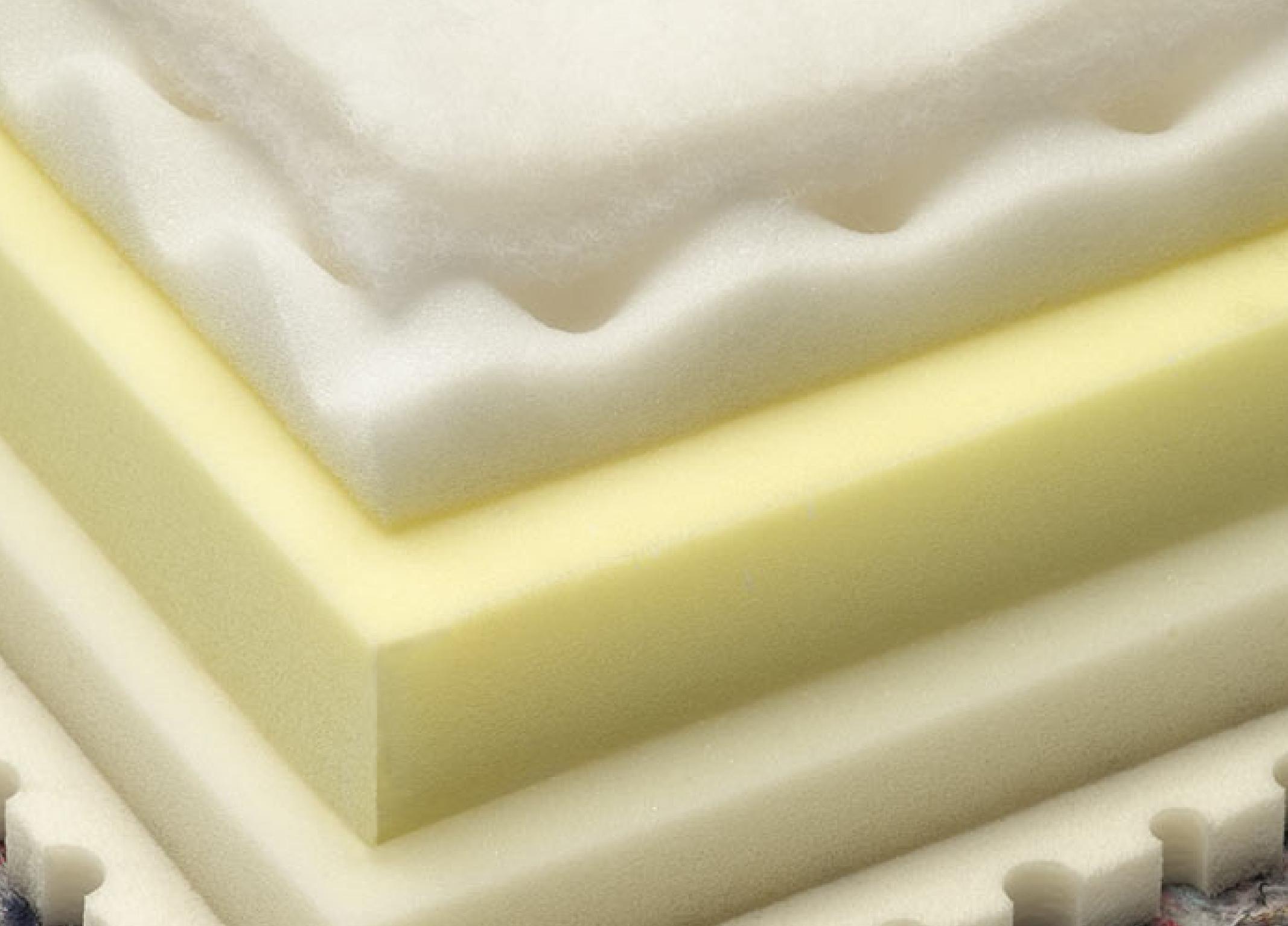
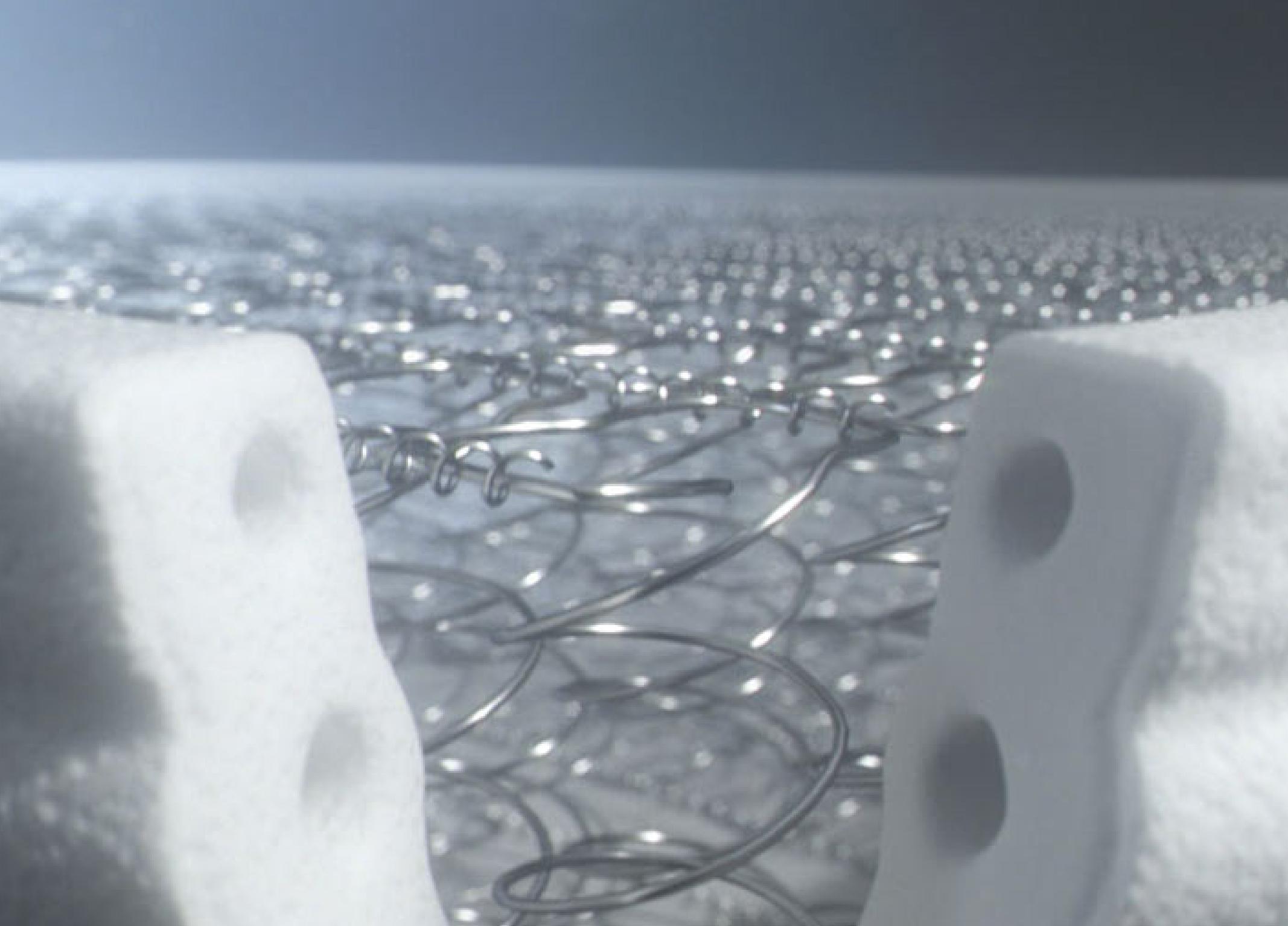
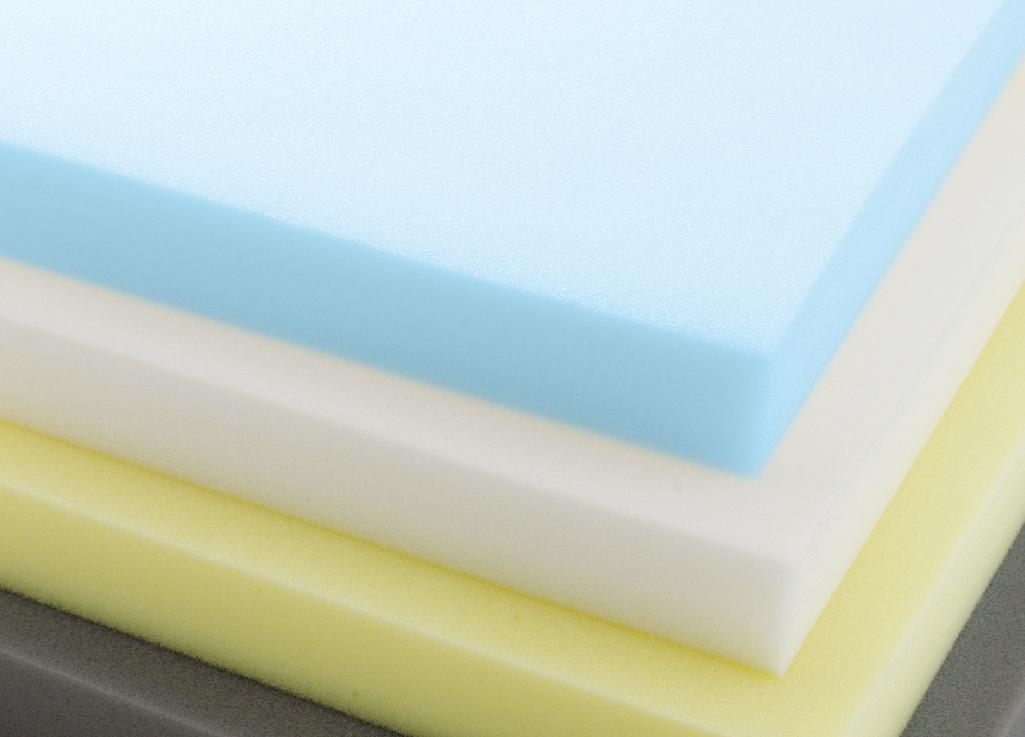
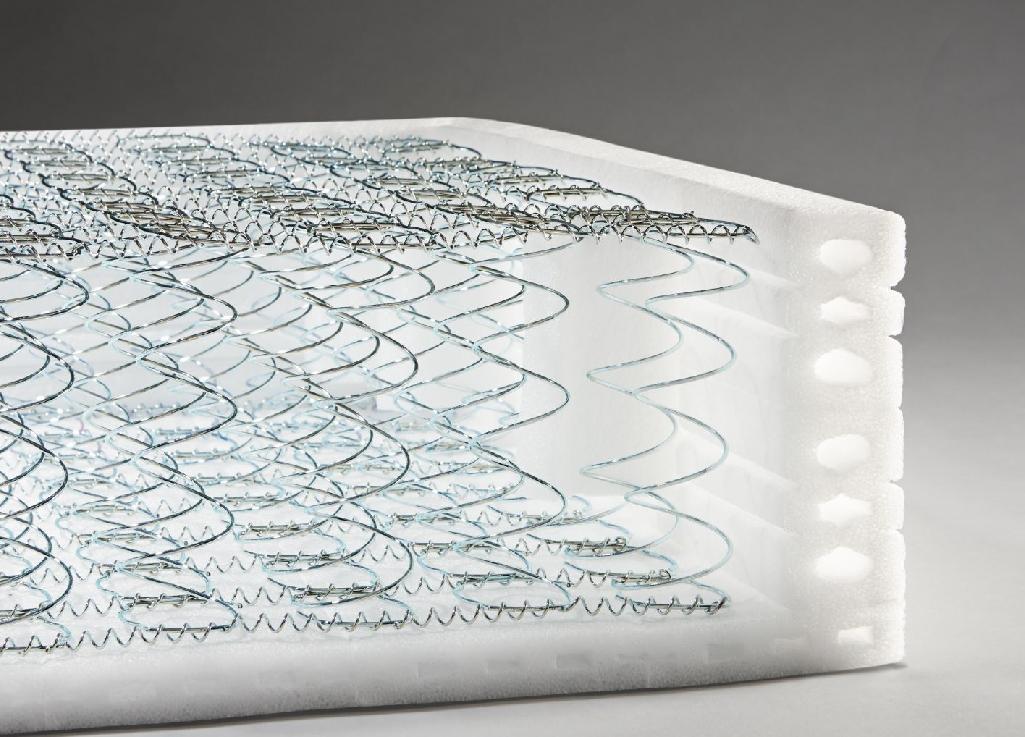
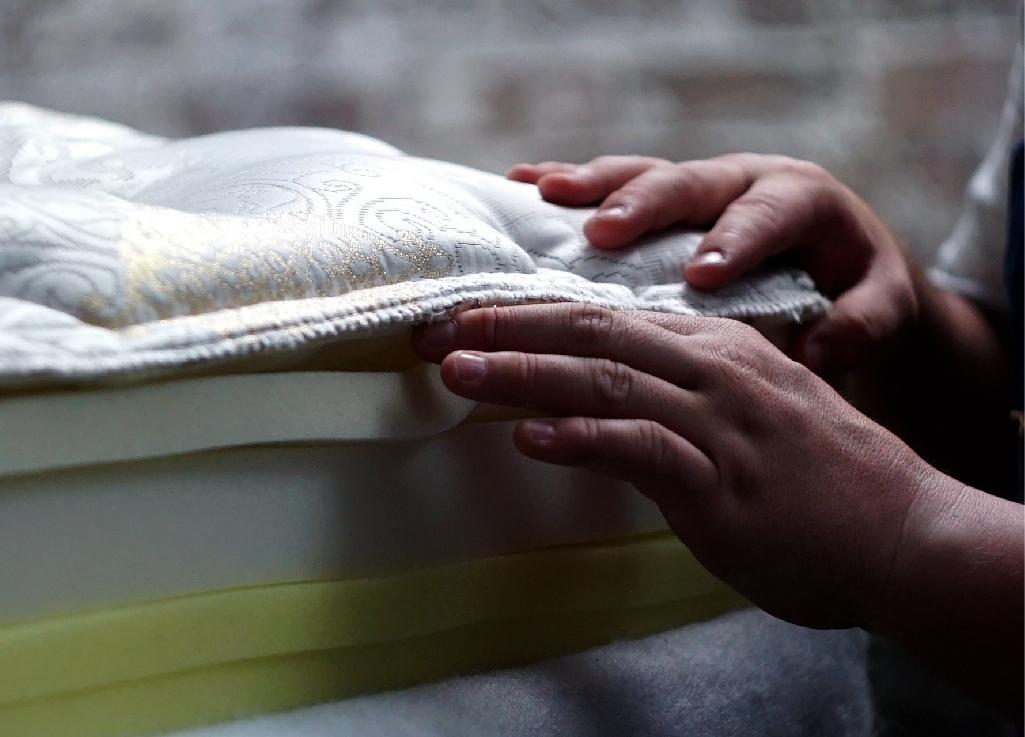
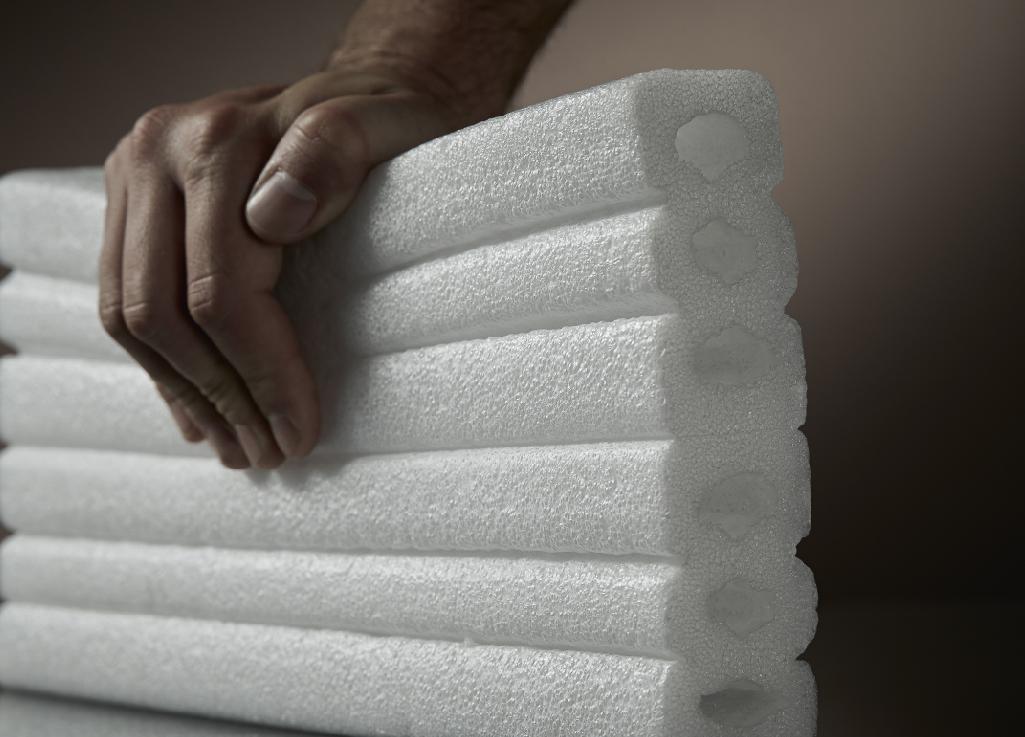
The layers of a mattress work together to support your spine’s natural shape. Comfort layers should contour to your body to promote proper spinal alignment without excessive sinking. The support core must provide a stable base for your body’s heavier parts, ensuring the spine aligns naturally. Choosing the right mattress is essential for a restful night’s sleep.
If you’re looking for a quality mattress designed to provide superior support and comfort, explore Sealy Posturepedic Elevate, featuring patented technologies such as the AlignSUPPORT® Titanium Coil System (for responsive, two-stage support that helps maintain natural alignment) and ComfortCore® Premium (a targeted, pressure-relieving layer engineered to enhance conformance and support around the lower back/lumbar area).
- Sleep on a Supportive and Comfortable Pillow
A pillow plays a crucial role in preventing neck strain and discomfort. Regardless of your sleeping position, a good pillow helps keep your spine aligned and reduces stiffness. For example, Sealy’s Contour Memory Foam Pillowand Contour Latex Pillow are designed to improve alignment with an ergonomic contour profile.
For more guidance on selecting the best pillow for your needs, visit our article “How to Choose the Right Pillow for Better Sleep?”.
- Sleep in a Cool Room
Given Malaysia’s warm climate, maintaining a comfortable sleep environment is vital for quality rest. The ideal bedroom temperature for a restful sleep is around 18°C. Cooler rooms help your body relax, promoting deeper sleep. However, personal preference and any underlying health conditions should also be taken into account. For additional tips on staying cool while sleeping, check out our guide on “How to Sleep Cool in Hot Weather”.
- Sleep in a Dark Room
A dark sleeping environment is essential for promoting better sleep. Darkness signals your body to produce melatonin, a hormone that regulates sleep-wake cycles. Consider using blackout curtains or an eye mask to block out any unwanted light. Reducing light exposure can help you fall asleep faster and enjoy a deeper, more restorative sleep.

Sleep First Class with Sealy
At Sealy, we understand the importance of finding the perfect sleep solution tailored to your needs. Our mattresses are designed with continuous research and development to offer superior support and comfort, no matter your sleeping position.
- Explore Our Mattress Range: Whether you’re a side, back, or combination sleeper, our diverse mattress range offers a solution for every sleep style. Explore our collection to find the perfect fit.
- Find Your Perfect Match: Use our Mattress Selector Tool to discover which Sealy mattress suits your sleeping needs and preferences.
- Expert Advice: Visit our sleep experts for personalised recommendations to ensure you get the best mattress for a restful night’s sleep. Find a store near you.
Don’t settle for less when it comes to your sleep – experience first-class comfort with Sealy and wake up feeling your best.