Yes, Sleeping Does Burn Calories
Even when you’re completely still, your body doesn’t “switch off.” It keeps your heart pumping, lungs breathing, brain working, and temperature stable — all of which require energy. That’s why the short answer to “does sleeping burn calories?” is yes: you burn calories while you sleep, because your body is still doing essential work.
What surprises most people isn’t whether you burn calories during sleep, but how it happens, what changes the number, and why sleep quality can influence your long-term metabolism, appetite, and body composition.

How the Body Burns Calories During Sleep
Your “resting burn” doesn’t stop at bedtime
The calories you burn during sleep mostly come from your basal metabolic rate (BMR) — the energy your body needs for basic survival functions like breathing, circulation, temperature regulation, and cellular repair.
Sleep uses less energy than being awake and moving around, but it’s still an active biological period, especially for the brain and internal organs.
So… how many calories are burned during sleep?
You’ll see many references to an approximate average of ~50 calories per hour of sleep, but it varies widely by person because it depends on your BMR and other factors.
A helpful way to think about it:
- Calories burned during sleep = your resting “maintenance” energy
- It’s not a “fat-burning hack,” but a normal part of staying alive
Factors Influencing Calorie Burning During Sleep
1. Body weight and body composition (muscle mass matters)
Two people can sleep the same 8 hours and burn different amounts.
Common patterns:
- Larger bodies generally require more energy to maintain basic functions.
- People with more muscle mass tend to burn more calories at rest because muscle is metabolically active tissue.
- This is why “body composition” (fat vs. muscle) can influence nightly calorie burn, not just body weight.
Practical takeaway: If your goal is to slightly raise your resting calorie burn over time, building and maintaining muscle can help.

2. Age and gender
Your metabolism isn’t fixed forever.
- Metabolic needs generally decrease as we age, which can reduce BMR over time.
- Men often have a higher BMR on average, largely explained by differences in body composition (often more lean mass).
Practical takeaway: If you’re comparing yourself to someone else, nightly calorie burn will naturally differ even if sleep duration is identical.

3. Sleep quality and duration
It’s not only about “hours in bed.” It’s also about what happens during those hours.
- Getting enough high-quality sleep supports metabolic health and weight management.
- Chronic lack of sleep is linked with obesity risk, in part because it can increase cravings for high-calorie foods and disrupt glucose regulation.
Practical takeaway: Sleep quality can shape your metabolism more through hormones, appetite, and behavior the next day than through a huge difference in nighttime calorie burn.

Fun Facts About Calorie Burning During Sleep
1. REM sleep: your brain gets busy
During REM sleep, the brain is highly active and relies heavily on glucose. This is one reason REM is often associated with a higher calorie burn compared to deeper, quieter stages.
Meanwhile, in deep sleep (stage 3), many body processes slow down and the brain requires less glucose — metabolism tends to be at its lowest.
2. A cooler room may help sleep
Some sleep experts recommend keeping the bedroom cooler (around 18°C) and reducing light exposure before bed to support REM-friendly sleep routines.
Important note: the goal here should be better sleep quality, not chasing a tiny calorie difference.
3. Lack of sleep can push metabolism in the wrong direction
Missing sleep might slightly increase energy expenditure in the short term simply because you’re awake longer, but research summaries emphasize that chronic sleep loss is associated with weight gain and obesity risk.
Why?
- It can trigger hormonal changes that increase cravings for high-calorie foods
- It can raise cortisol, affecting glucose regulation and potentially contributing to weight gain and insulin resistance
In real life, this often shows up as “I’m tired, so I snack more, move less, and pick higher-calorie foods,” which can affect long-term body composition even if your sleep calorie burn itself doesn’t change dramatically.

How to Burn More Calories During Sleep
If you want your sleep to support a healthier metabolism, focus on what actually raises BMR and improves sleep quality.
Increase muscle mass (H3)
Because muscle is a major factor in BMR, strength training and maintaining lean mass can increase your baseline energy use (day and night).
Sleep 7–9 hours consistently (H3)
Getting enough sleep supports hormone regulation, appetite signals, and glucose metabolism; sleep quality matters just as much as hours. If you wake up often (heat, discomfort, poor support), you may get less restorative rest even with 7–9 hours in bed.
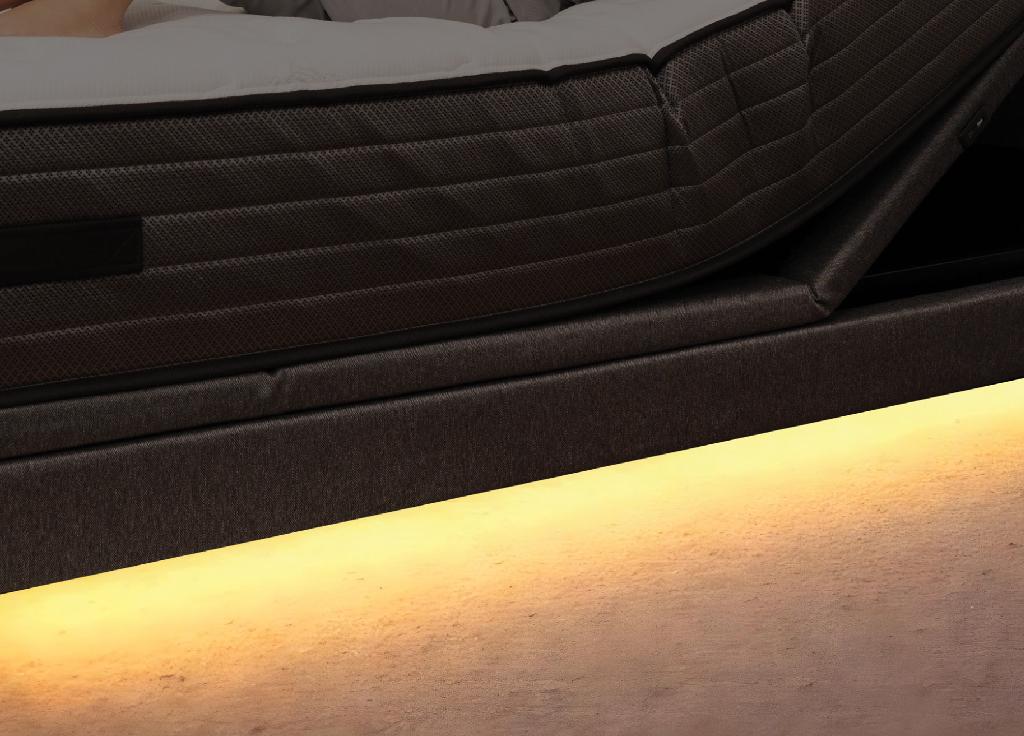
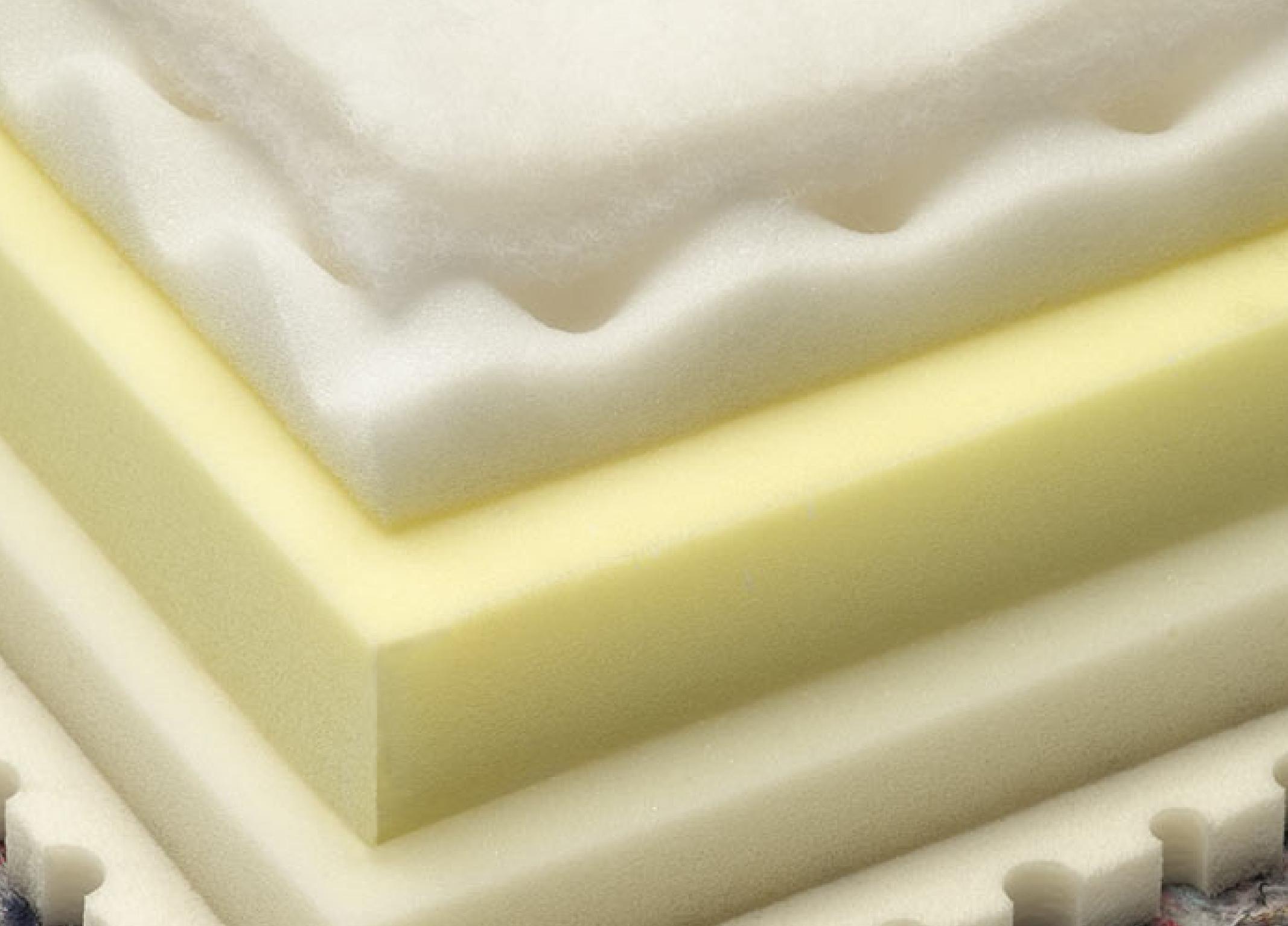
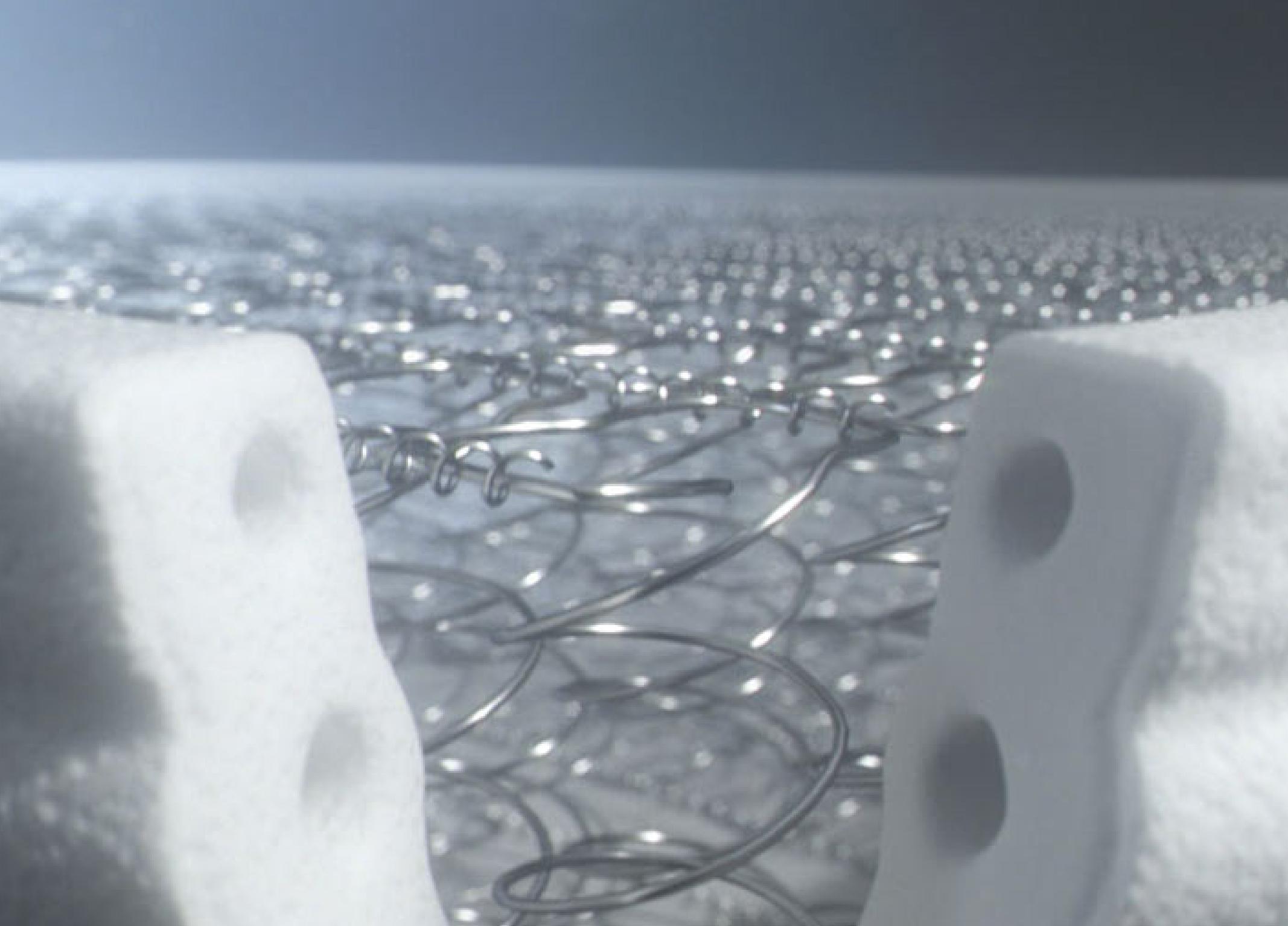
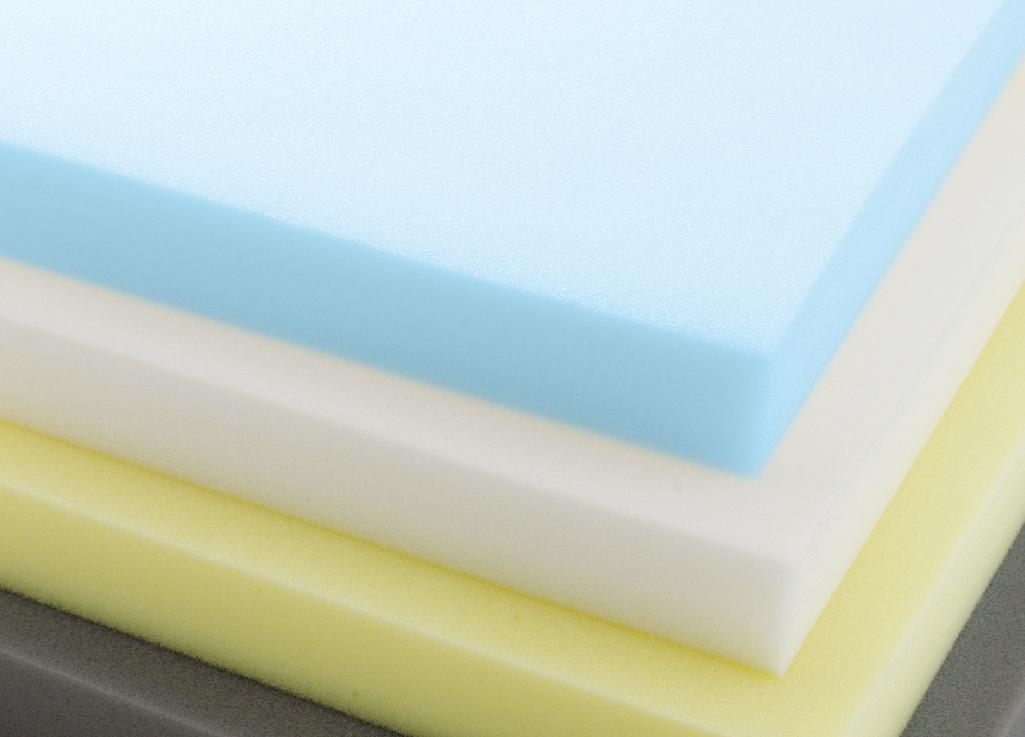
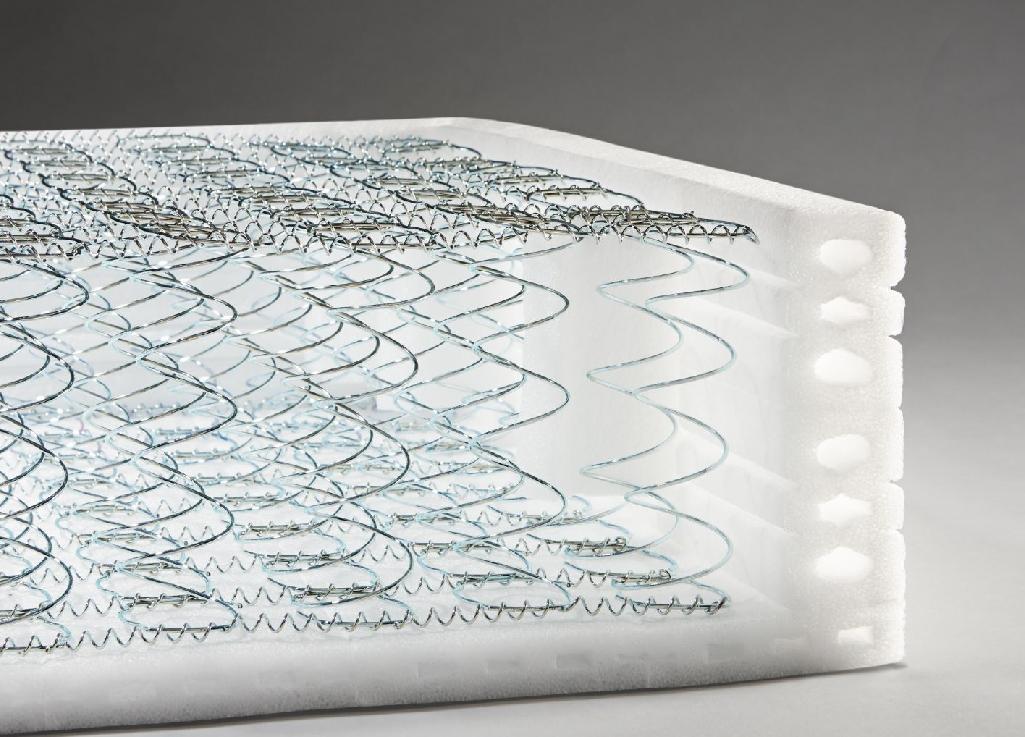
If you’re upgrading your sleep setup, you can consider Sealy Posturepedic Elevate. This mattresshighlights comfort and support features designed for more stable, comfortable sleep. Check out its innovative features here.
Monitor meal timing (H3)
Some reviews suggest later meal timing may be associated with weight gain risk over time (this area is still being studied).
A practical approach is simply avoiding very heavy meals right before bed if it disrupts your sleep quality.
Create a comfortable sleep environment (H3)
A cool, dark, quiet room supports better sleep. Temperature guidance is often placed around 18-19°C.
Accessories that can improve sleep environment:
- Pillow: Keeps your neck aligned with your sleeping position (side/back/stomach).
- Bedsheets: Breathable fabric helps reduce overheating and night sweats.
- Duvet/blanket: Choose the right warmth level so you don’t wake up too hot/cold.
- Mattress protector: Helps keep the sleep surface clean and comfortable.
Browse our online store for sleep accessories to complete your sleep setup.

Conclusion
So, does sleeping burn calories? Yes, because your body is constantly spending energy to keep you functioning. The number of calories burned during sleep depends on your BMR, which is influenced by weight, muscle mass, age, and sex, and your sleep stages (like deep sleep vs REM) can shift energy use slightly.
But the bigger “metabolism story” is this: sleep quality and lack of sleep can meaningfully influence appetite hormones, glucose control, and long-term weight outcomes.
If you’re working on better sleep quality, your sleep setup matters. Visit your nearest Sealy store to explore our mattress range that matches your comfort and support needs, because consistent, high-quality sleep is easier when your body feels properly supported throughout the night.