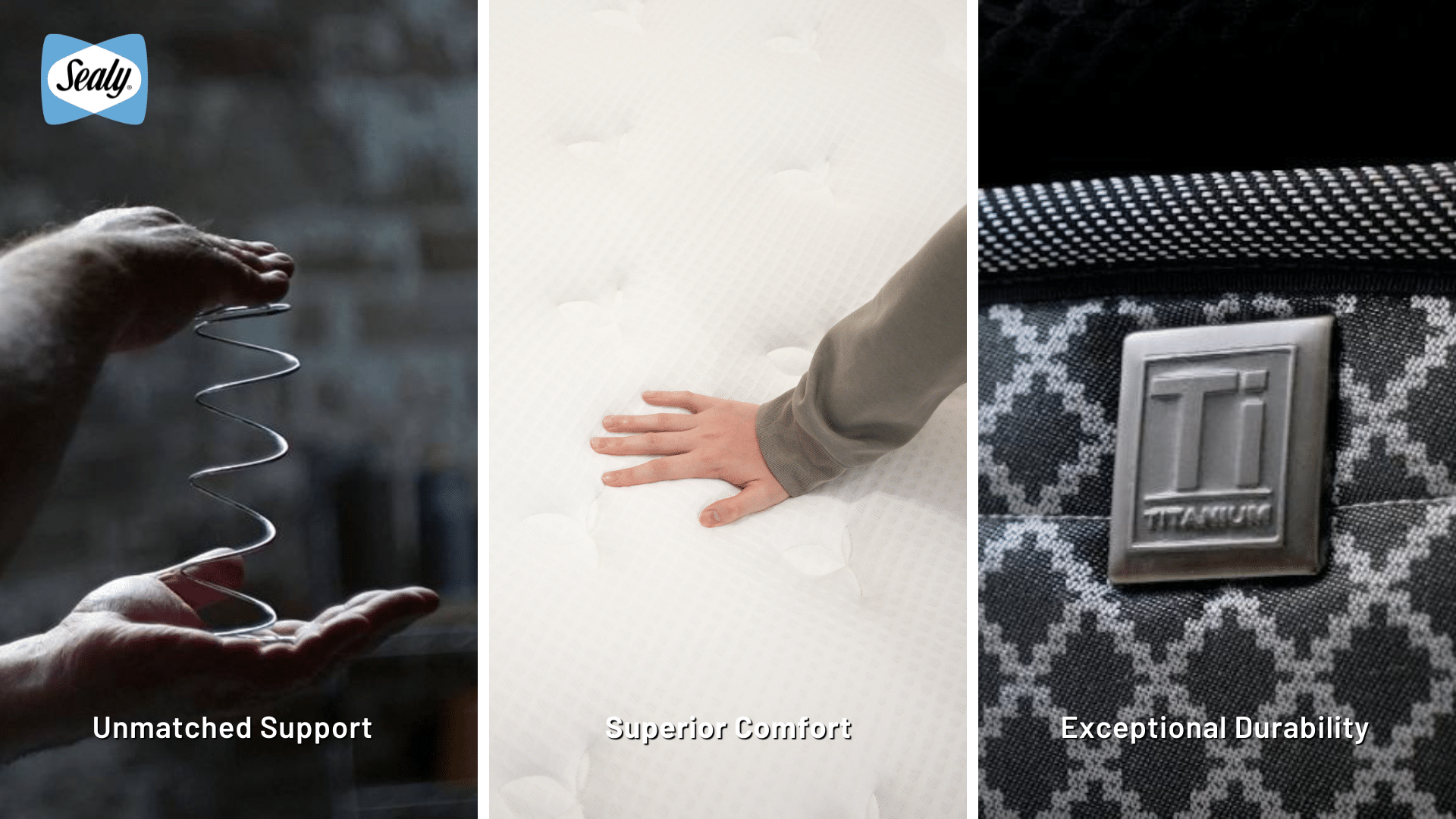
For heavy sleepers, three considerations are particularly important: mattress support, comfort and durability.
Choosing a mattress is personal. But for heavy sleepers, there is another important consideration beyond how a mattress feels when you first lie down: how will it perform over time?
A mattress supports the body night after night, year after year. With greater body weight comes greater load on the mattress, making the quality of its support system, materials and construction especially important.
That is why choosing a mattress for a heavy sleeper should go beyond the initial comfort test.
At Sealy, we look at how a mattress performs not only on the first night, but over the many nights that follow. Through research, engineering and rigorous testing under repeated loads, our mattresses are developed with long-term performance in mind.
Why Body Weight Matters When Choosing a Mattress
Every body interacts with a mattress differently. As body weight increases, greater pressure is applied to the mattress. This can influence how deeply the body settles into its comfort layers and how the support system responds beneath it.
A mattress that feels supportive to a lighter sleeper may therefore feel very different to someone with a heavier body weight.
This does not mean that heavy sleepers simply need the firmest mattress available.
Instead, the goal is to find the right balance between comfort and support: enough comfort to accommodate the body’s natural contours, together with a support system designed to respond effectively beneath the sleeper.
And finding that balance involves more than firmness alone.
What Should Heavy Sleepers Look for in a Mattress?
When choosing a mattress for a heavy sleeper, there are several factors worth considering.
1. Support: What Happens Beneath the Surface Matters
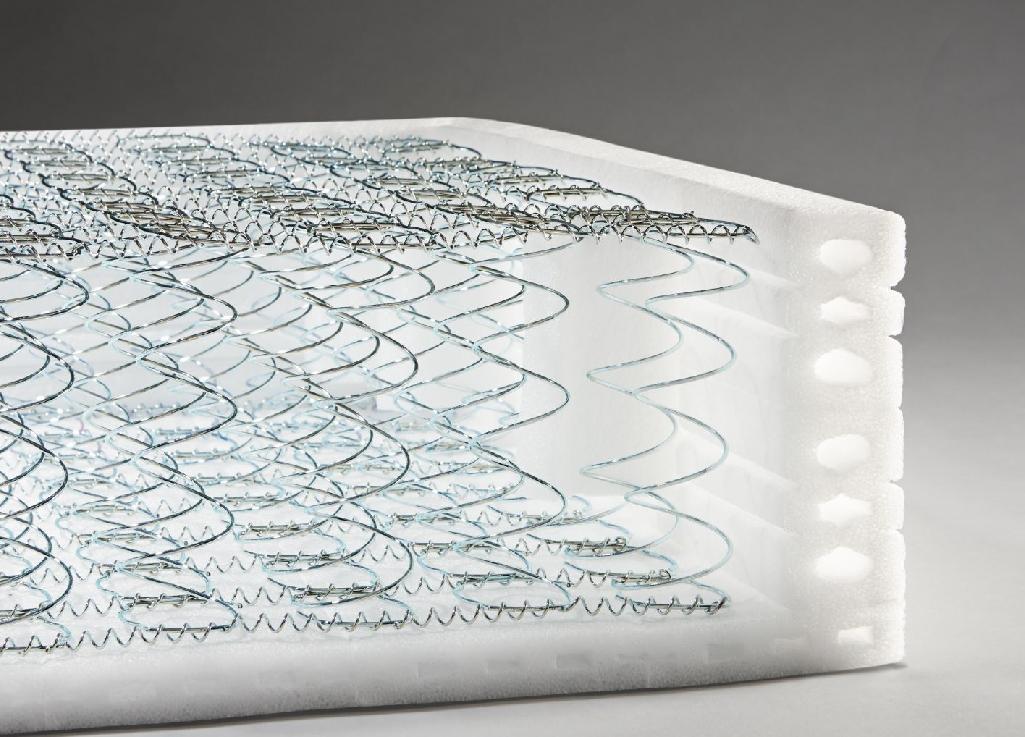
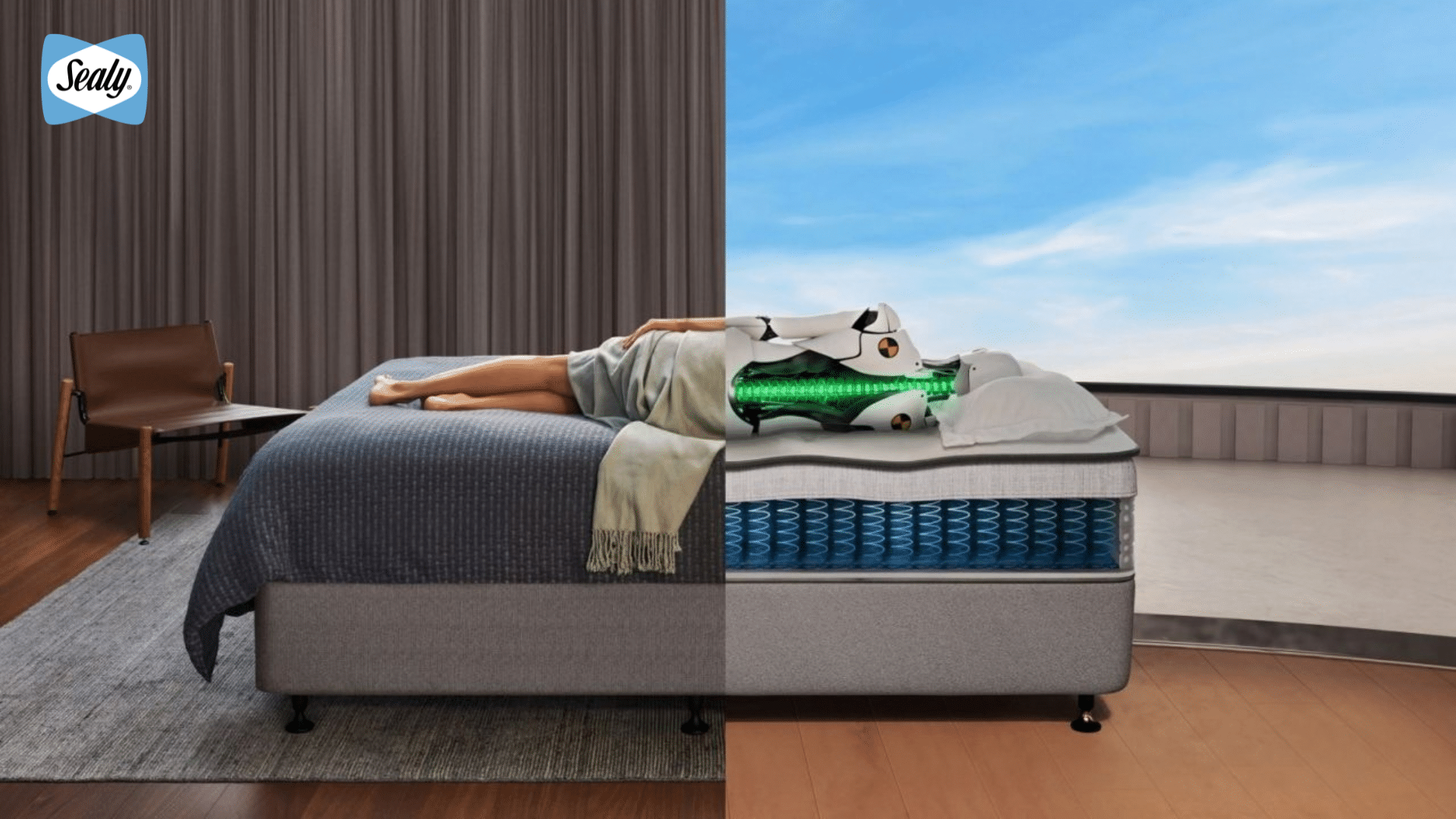
Comfort may be the first thing you notice when you lie on a mattress, but underneath those comfort layers is the system responsible for supporting your body. For heavy sleepers, an effective support system needs to respond to greater loads while providing the support the body needs throughout the night.
This is why mattress construction matters.
Rather than judging a mattress only by how it feels at the surface, it is worth understanding the technology and engineering beneath it.
Coil systems go about it in different ways. A pocket spring mattress uses individually wrapped coils that compress on their own, so one sleeper’s movement travels less across the bed
At Sealy, support systems are developed and evaluated as part of an ongoing research and development process, helping us understand how different components respond under pressure and repeated use.
Our AlignSUPPORT™ coil system is a two-stage design that responds to the weight placed on it: our own R&D testing records a 6% improvement in deep-down support, a 75% reduction in lateral movement and an 18% reduction in motion transfer against its comparison model.
Because true support is not simply about how a mattress feels for a few minutes in a showroom. It is about how the mattress performs when you sleep on it night after night.
2. Comfort: Because Support Should Still Feel Good
There is a common assumption that heavy sleepers should always choose an extra-firm mattress, but this is not true.
Firmness describes how a mattress feels. Support relates to how effectively the mattress responds to the sleeper.
A mattress needs to provide a comfortable sleep surface while its underlying support system responds to the body beneath it.
Individual preferences also matter. Body shape, sleeping position and personal comfort preference can all influence how a mattress feels from one person to another. This is why there is no single mattress feel that is right for every heavy sleeper.
Sleeping position matters more than most shoppers expect. Compared to a back sleeper, a side sleeper carries more pressure through the shoulder and the hip.
The most important thing is to find the balance between the comfort you enjoy and the support your body needs. Choose a comfort feel that works for your sleeping position and personal preferences.

3. Durability: Think in Years, Not Minutes
A mattress does not support your body once. It does so for thousands of nights. That makes the way its components perform over time an important consideration.
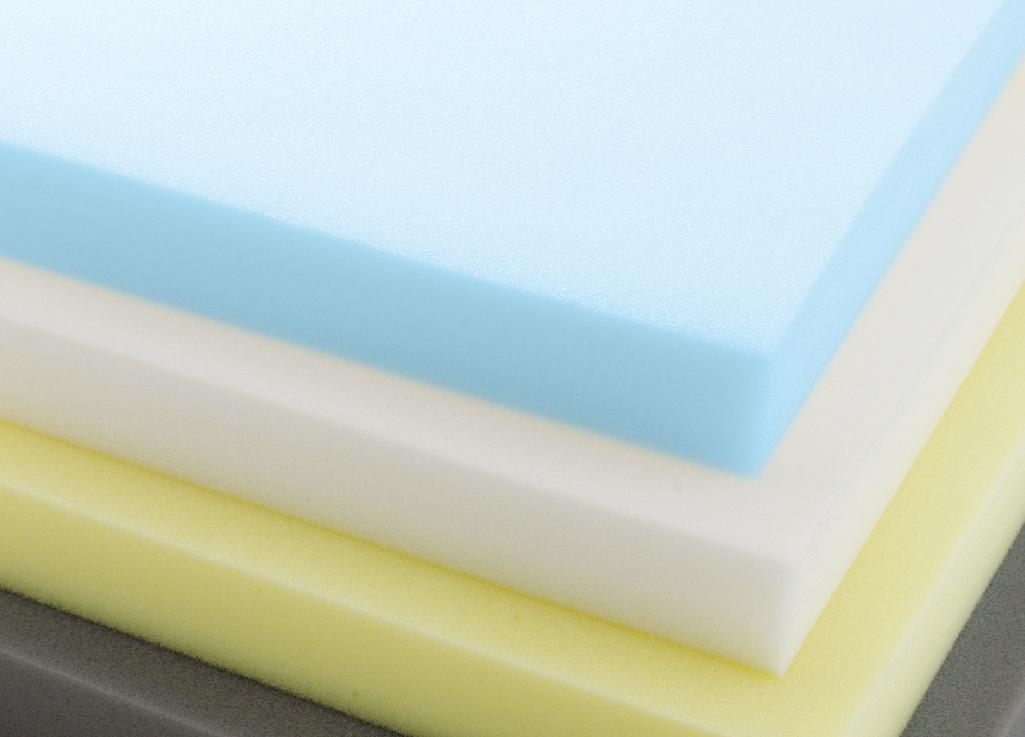
From the comfort layers at the surface to the support system beneath them, each component contributes to how the mattress responds to repeated loading and everyday use.
Two identical mattresses will not age at the same rate if one carries 60 kg a night and the other carries 110 kg, which is why rigorous mattress testing becomes particularly meaningful.
That’s why it’s important to consider the quality of the materials, construction and the testing behind the mattress’s long-term performance.
What to Check When Testing a Mattress In-store
When you test a mattress in-store, here’s what to check:
| What to check | Why it matters at greater body weight | What to ask in store |
| Support | The coil system that carries your weight and keeps your body aligned | What is the support system, and how does it respond to more weight? |
| Comfort | Comfort feel has to suit your sleeping position, not only your body weight. | Can I lie here for ten minutes in the position I actually sleep in? |
| Durability | More weight wears out the padding, springs and fabric faster. | What testing has this mattress been through? |
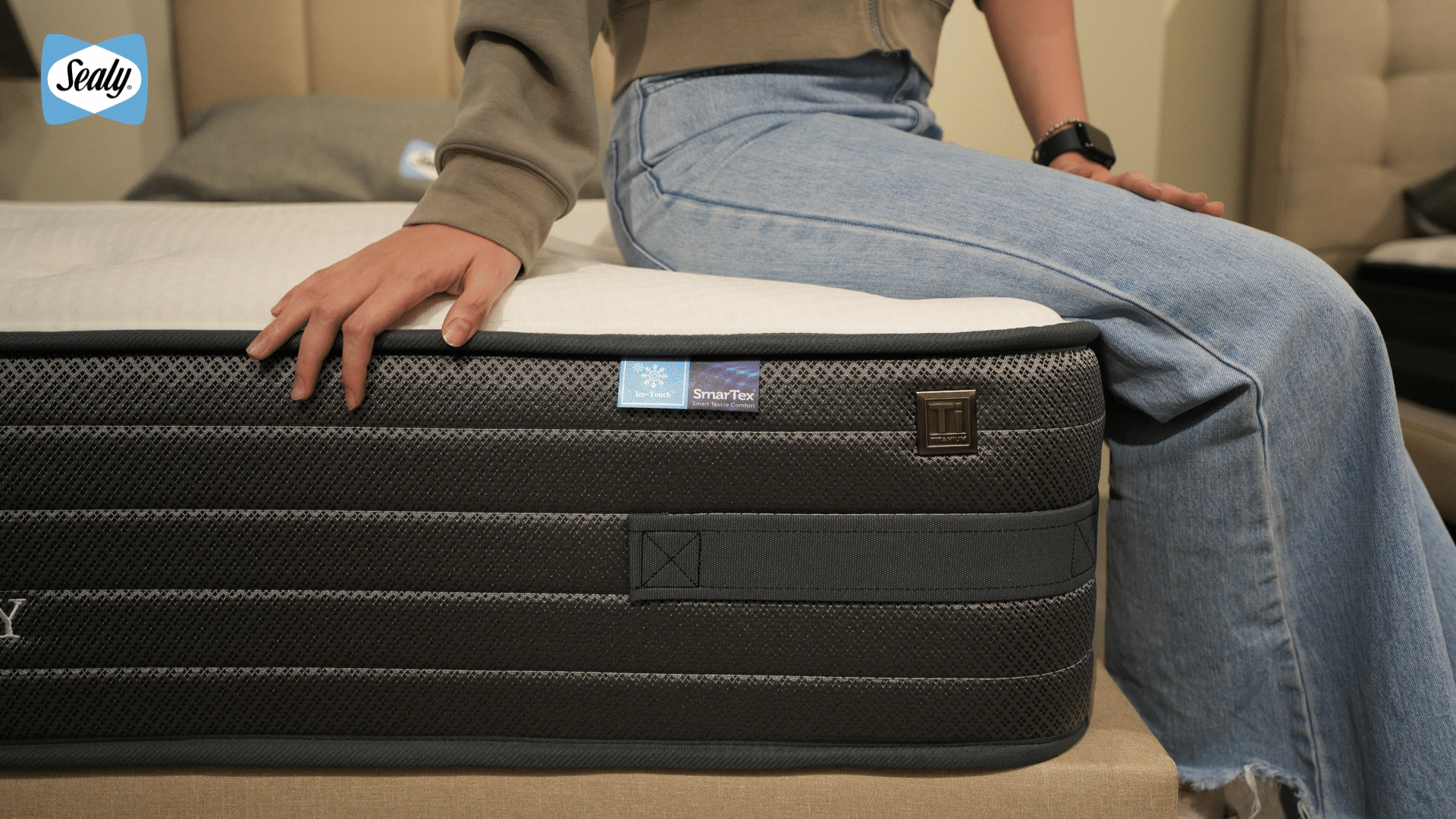
| Edge support | A stronger edge holds its shape when you sit on it, and lets you use more of the surface. | Can I sit on the edge of this bed? |
Read more in our guide on how to test a mattress in store.
How Sealy Tests for the Nights Ahead
This is where Sealy’s approach to research and development (R&D) comes into focus.
A mattress cannot be evaluated for years before every new design reaches a bedroom. Instead, controlled testing allows our R&D teams to simulate the repeated loads and pressures a mattress may experience over extended use.
Our research and development centre is accredited by the National Association of Testing Authorities (NATA), the body that accredits testing laboratories against international standards in Australia.
Mattresses and the components inside go through rigorous testing, including repeated heavy loads to evaluate how they respond and perform over time. This allows our teams to study support, comfort and durability separately rather than as a single impression.
They can assess how the mattress construction responds to repeated compression, how support components perform under load and whether the mattress continues to deliver the performance it was designed to provide.
For heavy sleepers, this testing is particularly relevant. Greater loads place greater demands on a mattress. By testing under controlled and repeated conditions, Sealy can evaluate how our designs respond before they become part of your nightly routine.

Putting Mattresses to the Test
Before a mattress reaches the bedroom, its design and components can undergo extensive testing to understand how they respond to repeated use.
Testing allows our research and development teams to evaluate aspects of mattress performance that cannot be determined simply by looking at a mattress or lying on it for a few minutes.
- How does the support system respond under load?
- How do components perform after repeated compression?
- How does the mattress construction behave over time?
These are the kinds of questions that turn mattress development from simply designing for comfort into engineering for sleep.
For sleepers with different body weights, this matters.
A mattress needs to do more than create a comfortable first impression. The underlying construction needs to provide the support it was designed to deliver throughout everyday use.
Engineered for More Than Tonight
The right mattress should feel good tonight.
But it should also be designed with tomorrow, and the many nights after that, in mind.
For heavy sleepers, the demands placed on a mattress make its engineering, construction and long-term performance particularly important.
That is why Sealy continues to invest in research, development and rigorous testing to better understand how mattresses respond to real-world demands.
Visit a Sealy Store
Visit a Sealy store to experience our mattress collections and speak with our sleep consultants about finding the combination of support, comfort and durability that is right for you.
Find your nearest Sealy store, or browse the full Sealy mattress range before you visit.
Frequently Asked Questions
What type of mattress is best for a heavier person?
There is no single mattress that is best for every heavy sleeper. Body weight, sleeping position, comfort preference and the mattress’s underlying support system should all be considered. Trying different mattresses in person can help you identify the combination of comfort and support that suits you.
Do heavy sleepers need a firmer mattress?
Not necessarily. Firmness describes how a mattress feels and should not be confused with support. A firmer mattress is not automatically a more supportive mattress. The right choice depends on the combination of support, comfort, sleeping position and individual preference.
Why is mattress support important for heavy sleepers?
Greater body weight places greater load on a mattress. The mattress’s support system therefore plays an important role in how it responds to the sleeper and maintains an appropriate sleeping surface.
Why is durability particularly important for heavy sleepers?
Greater body weight places greater load on a mattress and its components. Considering the quality of the mattress construction, materials and support system, as well as how they have been tested, can therefore be particularly important when evaluating long-term performance.
Is edge support important for heavy sleepers?
Edge support can provide greater stability around the perimeter of the mattress and allow sleepers to comfortably use more of the mattress surface. It can be particularly useful for couples sharing a bed.
How does Sealy test mattress durability?
Sealy has conducted ongoing research and testing of components, materials and construction methods with the National Association of Testing Authorities (NATA) in Australia. This ensures that every Sealy mattress provides the comfort and support you need for a restful night’s sleep.
What should a heavy sleeper look for in a mattress?
Rather than focusing on a single feature, consider three key areas: support, comfort and durability. The mattress should provide an effective underlying support system, a comfort feel suited to your preferences, and quality construction designed and tested with long-term performance in mind.
Should heavy sleepers try a mattress before buying?
Yes. Mattress comfort feel remains personal regardless of body weight. Trying different mattresses in your regular sleeping position can help you understand which combination of comfort and support feels right for you.