How long does a mattress last? Usually it’s 7 to 10 years for most people. If yours is going past that mark, your body probably already realises it. According to Sealy’s Global Sleep Census, 74% of people sleeping on a 10-year-old mattress report sleep problems, and 1 in 2 Malaysians say they have woken up with back pain. Another 1 in 3 report low productivity the day after sleeping on an old mattress.
Your mattress has a quiet expiry date. In this article, you’ll find out what shortens a mattress’s life in Malaysia’s climate, why some last far longer than others, and how to tell when yours needs replacing rather than a new topper.
How Long Does a Mattress Last?
Most mattresses last between 7 and 10 years. But that is an average, not a promise. The real number depends on how the mattress is built, who sleeps on it, and where it sits. Here is the typical lifespan by mattress type:
| Mattress type | Typical lifespan |
| Memory foam | 5 to 7 years |
| Hybrid | 6 to 10 years |
| Latex | 6 to 10 years |
| Innerspring | 7 to 10 years |
Why Mattresses Wear Out Faster in Malaysia
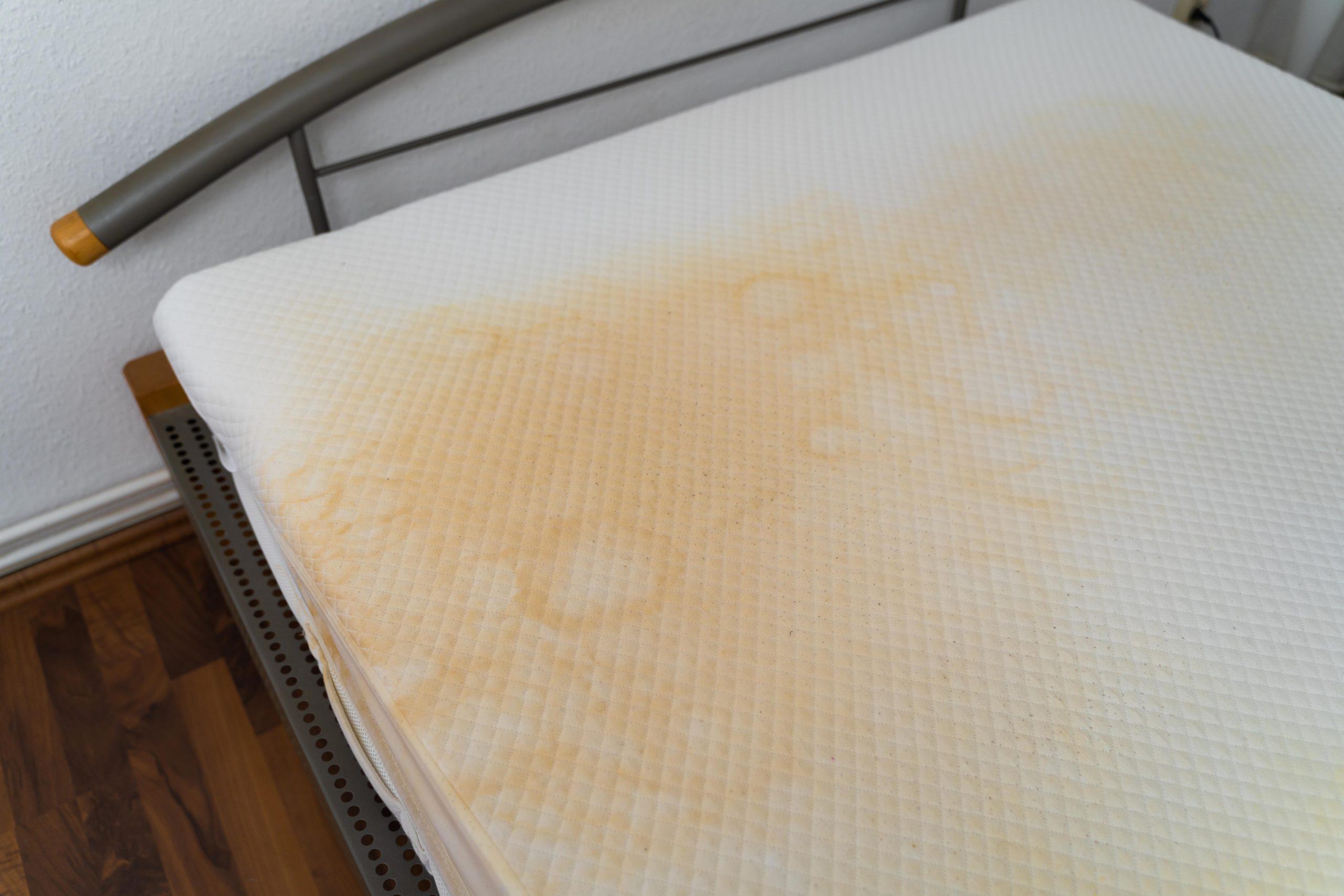
Malaysia’s tropical humidity is hard on a mattress. Constant moisture speeds up foam breakdown and invites mould, mildew and dust mites, which shorten a mattress’s life and can trigger allergies. In a humid climate, a breathable, quality build matters more than it would in a dry country.
How Body Weight and Usage Shorten Mattress Life
Weight and daily use also decide how fast a mattress ages. Heavier sleepers compress foam and coils faster, and side sleepers wear out the hip and shoulder zones first. That is why sagging usually appears exactly where you lie.
How Premium Mattresses Are Built to Last Longer
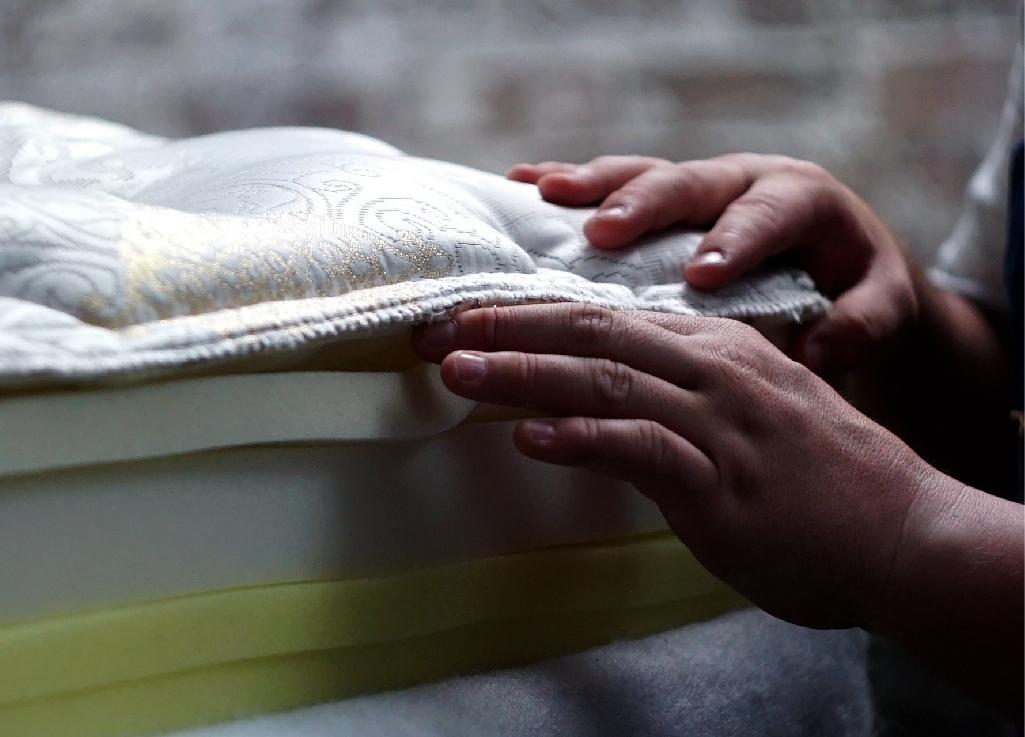
A mattress lasts longer because of what is inside it and how carefully it is tested, and this is where a premium mattress like Sealy stands out. While a typical mattress does its job for around 7 to 10 years, a Sealy Posturepedic is engineered to hold its shape and support for the full length of its 10-year guarantee. The difference comes down to quality materials and thorough testing, which help our mattresses stay comfortable and supportive year after year.
Titanium Alloy Coils and Edge Support
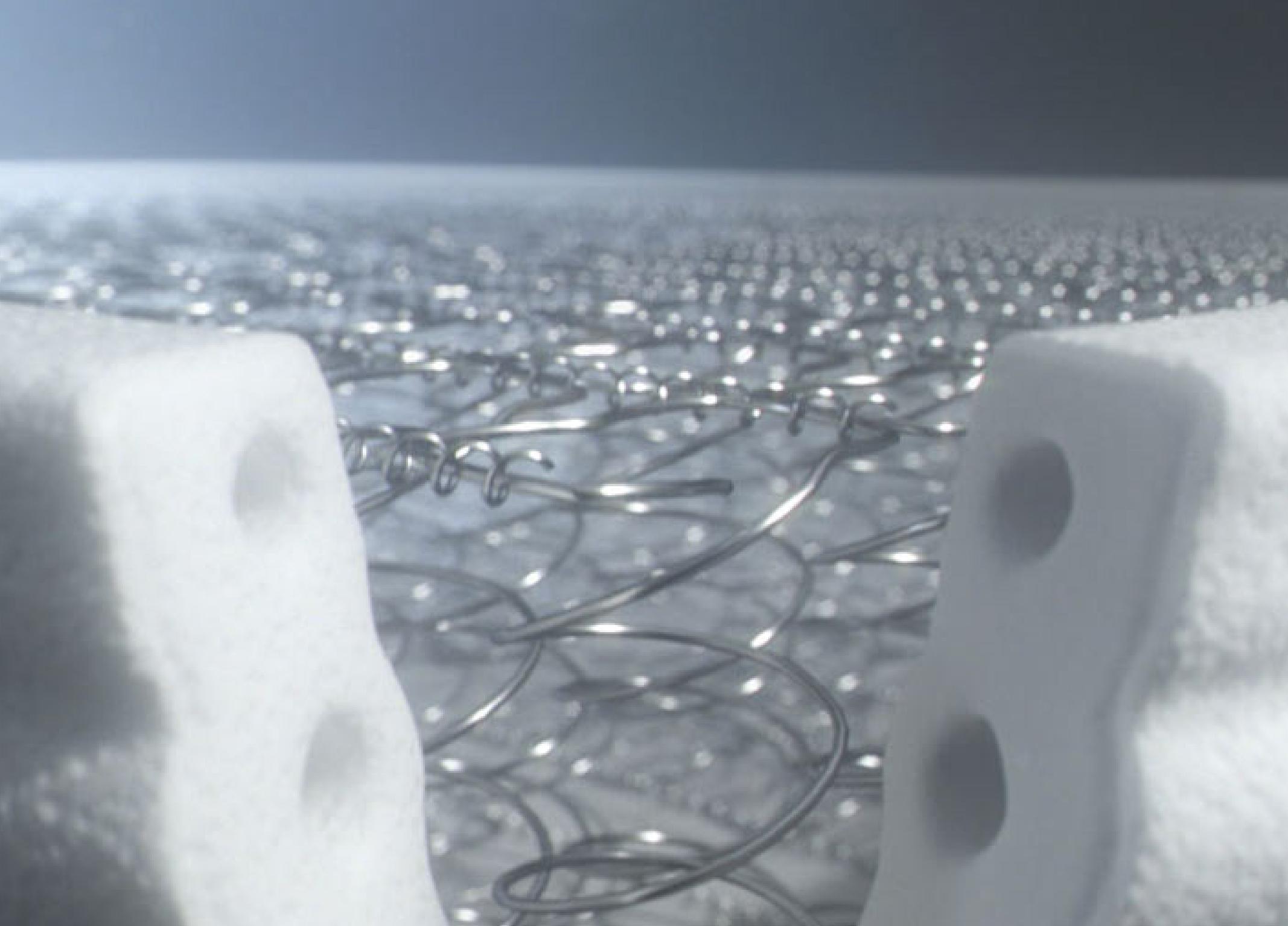
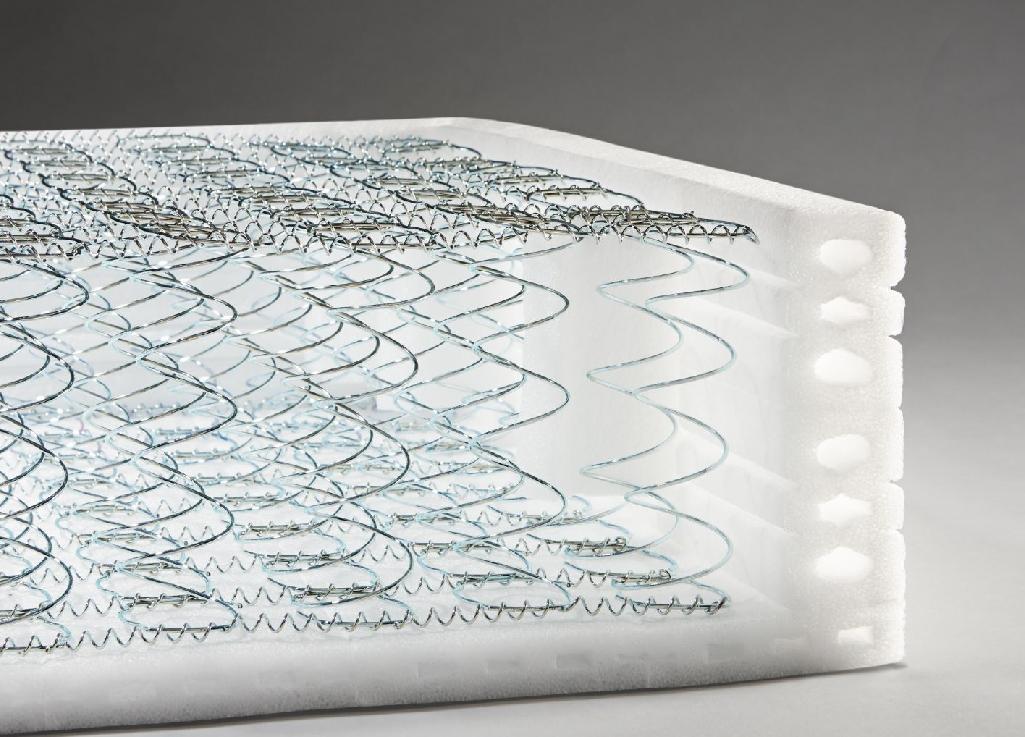
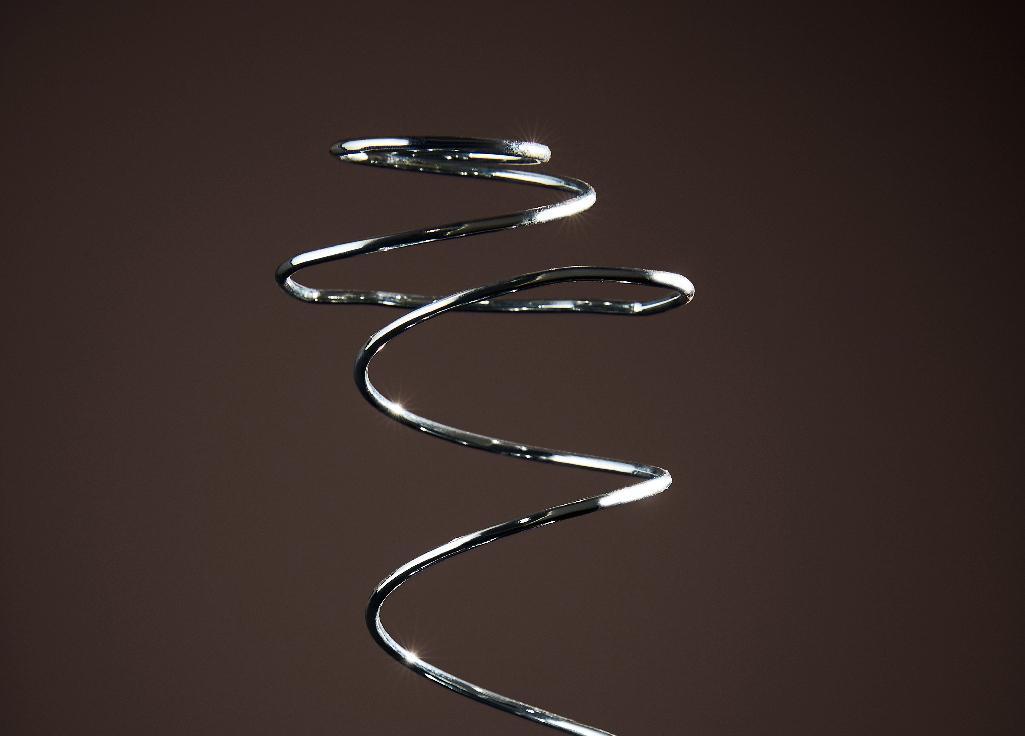
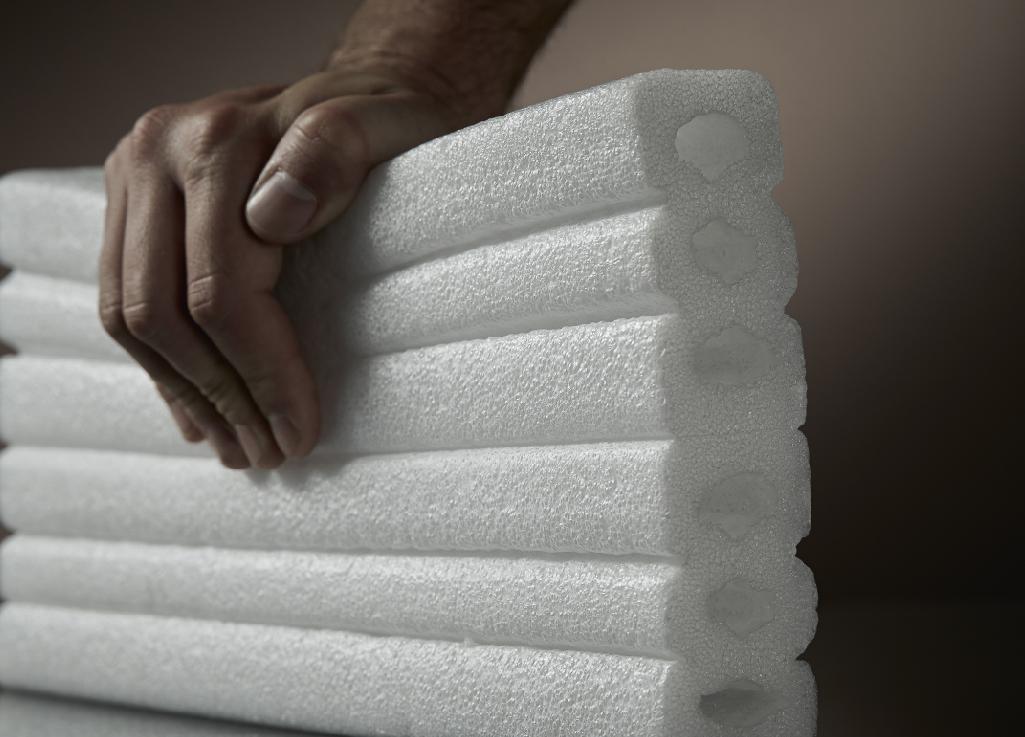
Sealy Posturepedic mattresses are built on inner-spring coils made of titanium alloy, a light but durable metal that is heat-tempered twice to help the coils hold their shape and last longer. The UniCased® XT edge support system locks into the innerspring for a consistently stable feel from edge to edge, so the mattress keeps its comfort and support through years of everyday use.

NATA-Accredited Durability Testing
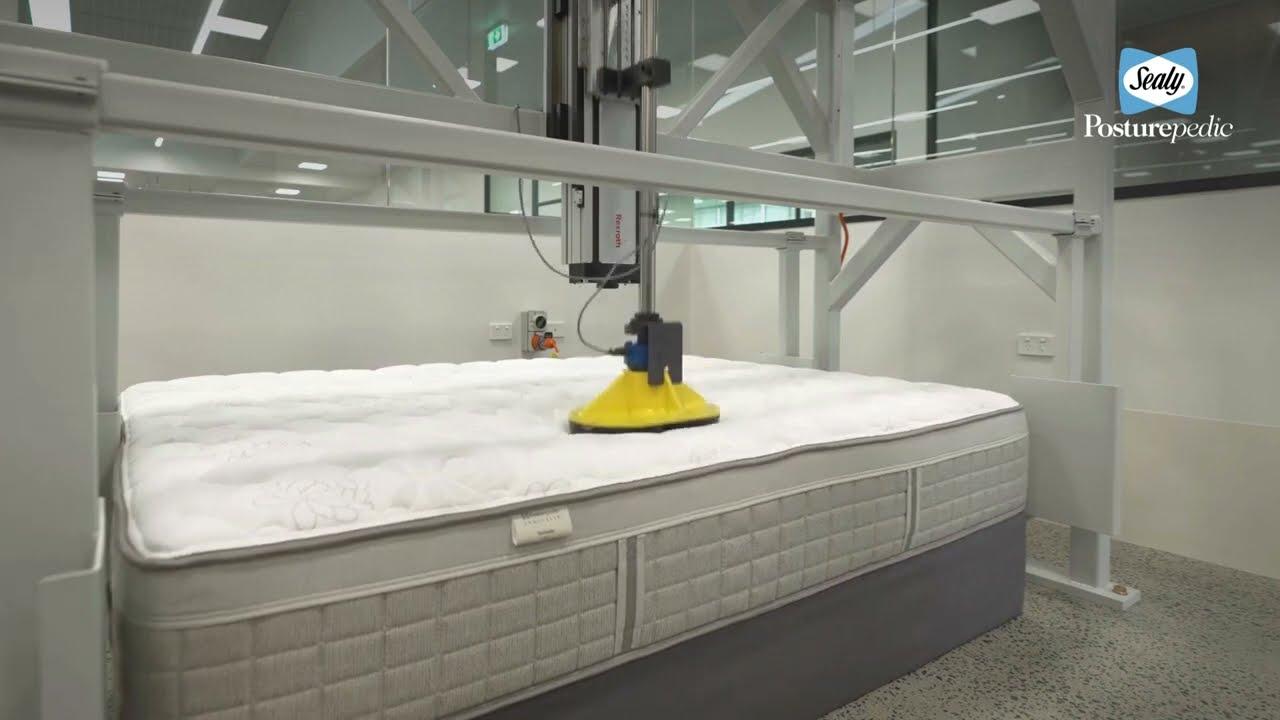
Sealy runs the only NATA-accredited mattress test lab in the country, working with Australia’s National Association of Testing Authorities. The Sealy Cornell Test proves a mattress can handle repeated wear without losing its comfort, height or shape, while the Rollator Test confirms it can withstand years of movement without sagging. The goal is that a mattress should perform as well on day 3,650 as it did on day 1.
5 Signs Your Mattress Needs Replacing (Not Just a Topper)
If your mattress is 8 or more years old and you notice any of the signs below, it probably needs replacing rather than topping. A topper adds surface comfort, but it cannot fix structural sag or restore spinal alignment once the core has broken down.

Visible sagging or body impressions
A dip you can see is structural. A topper sits on top of the problem; it does not repair the collapsed support underneath.
To check for sagging, see if the mattress surface remains indented after you get up, rather than returning to its normal, flat appearance.
You wake with back, shoulder or neck pain
A study found that switching to a new, supportive bedding system reduced back pain by 57%, shoulder pain by 60% and back stiffness by 59% over 28 days. Pain that starts in the lower back and spreads to the neck, shoulders or hips usually means the mattress has stopped delivering proper lumbar support and pressure relief.
You toss, turn and wake unrefreshed
Based on the Sealy Sleep Census, 30% of people on an old mattress wake still feeling tired, and the bed is often the cause. If you or your partner keep shifting to find a comfortable position when you used to sleep straight through, the mattress has likely lost its support.
Your Mattress Makes Noises
If your mattress is making noise and you’ve checked the frame to ensure it’s not a loose screw or part, the noise could be due to the mattress’s age.
This issue is especially common in older innerspring mattresses, where the springs can wear out from regular use, leading to bending and even breaking. The noise results from these worn-out springs failing to provide proper support and stability, indicating that the mattress is no longer in optimal condition. Replacing it can help restore a quiet and comfortable sleep environment.
Allergies or a musty smell
Persistent sniffles or a damp odour can point to dust mites and mould deep inside an ageing, humidity-worn mattress. Symptoms such as watery eyes, runny nose, and headaches upon waking may indicate allergens in your mattress.
Materials like natural latex and wool can help prevent allergen buildup. If you frequently experience allergy symptoms, consider replacing your mattress with one made from these materials to reduce flare-ups.
Final Notes
If your mattress is 8 or more years old, the smartest test is to lie on a new one. Every Sealy Posturepedic mattress is backed by a 10-year guarantee, so you can invest with confidence.
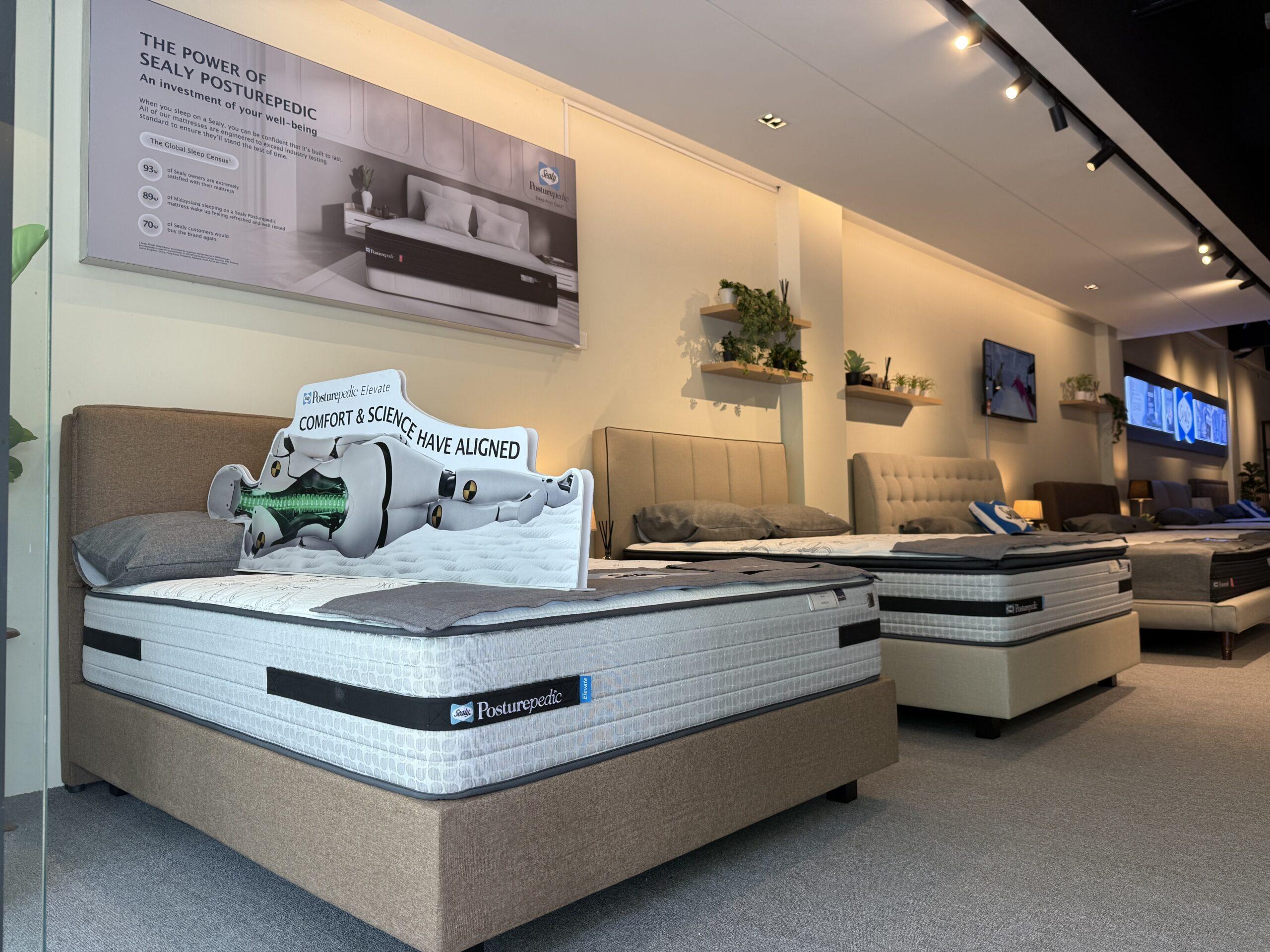
Visit a Sealy Sleep Boutique to compare ranges and feel the difference for yourself. It is the easiest way to find the best mattress in Malaysia for your body and sleep style.
Frequently Asked Questions
How long does a mattress last on average?
Most mattresses last 7 to 10 years: roughly 5.5 to 6.5 years for innerspring, 6 to 7 for memory foam, 6.5 to 7.5 for hybrids, and 7.5 to 8.5 for latex. Build quality, your body weight and the climate move the actual figure up or down.
Should I replace my mattress or just buy a topper?
Replace the mattress once the core has broken down. If you can see sagging or body impressions, or you wake with back or shoulder pain, a topper only masks the problem. It adds surface comfort but cannot restore lost support or correct spinal alignment.
Does Malaysia’s humidity really shorten mattress life?
Yes. Tropical humidity accelerates foam breakdown and encourages mould, mildew and dust mites inside the mattress. A breathable, well-engineered mattress copes far better, which is why quality materials and durability testing matter more here than in drier countries.
What is the best mattress brand in Malaysia for durability?
Look for brands that test what they sell. Many Malaysians rate Sealy among the best mattress brands in Malaysia because its Posturepedic range uses twice-heat-tempered titanium alloy coils, is tested in a NATA-accredited lab, and carries a 10-year guarantee.