A good power nap can turn a sluggish afternoon into a productive one, but only if you get the length right. Napping for too long can make you wake up groggier than before. So how long should a power nap be, and when should you take one?
In this guide, we’ll walk you through practical tips practical tips for anyone who works irregular or demanding hours, whether you are on rotating shifts, overnight duty, frequently work overtime, or work across different time zones.
What Is a Power Nap?
A power nap is a short, intentional sleep, usually 10 to 20 minutes, taken during the day to boost alertness and energy without leaving you groggy. The term describes exactly what it does: a brief, strategic top-up of rest that recharges your brain between tasks.
Unlike a long afternoon sleep, a power nap keeps you in the lighter stages of sleep. That is what makes it such an effective quick reset, especially for people juggling demanding or irregular work schedules.
How Long Should a Power Nap Be?
For most people, the ideal power nap is 10 to 20 minutes. That is long enough to sharpen your focus and lift your mood, but short enough to avoid deep sleep, so you wake up refreshed rather than foggy.
Go beyond roughly 20 to 30 minutes and you risk sleep inertia, the dazed, sluggish feeling that can follow a longer nap. Waking from deeper sleep can leave you worse off than if you had not napped at all. If you remember just one rule: keep your nap under 20 minutes, and set an alarm so you don’t overshoot.
What About the “NASA Nap”?
In a well-known 1995 study, NASA researchers found that pilots who napped for around 26 minutes were noticeably more alert and performed better afterwards. It is a useful reminder that even a short nap delivers a real boost, and you do not need an hour to feel the difference.

When Is the Best Time to Take a Power Nap?
The best time for a power nap is the early-to-mid afternoon, when most people hit a natural dip in energy. For shift workers, the equivalent is early in your shift or during a planned mid-shift break, before fatigue peaks rather than after.
Avoid napping too close to your main sleep period. A late nap can make it harder to fall asleep when you actually need a full night’s, or day’s, rest.
Why Power Naps Matter for Shift and Rotation Workers
Shift and rotation workers, and anyone who frequently works overtime, face a tougher sleep challenge than most. When your working hours fight your body clock, such as working overnight, putting in regular overtime, or working across different time zones, quality sleep gets harder to come by.
It is a widespread problem. According to Malaysia’s National Health and Morbidity Survey, around 2 in 5 adults do not get enough sleep. For people on irregular schedules, a well-timed power nap is not laziness, it is a practical tool to stay sharp and safe.
But you should remember that a nap is a top-up, not a substitute. Aim for 7 to 8 hours of main sleep whenever your schedule allows, and use naps to bridge the gaps.
Where You Nap Matters: The WORQ x Sealy Nap Pods
A power nap works best when your surroundings actually let you rest. A noisy desk or a stiff sofa will not cut it.
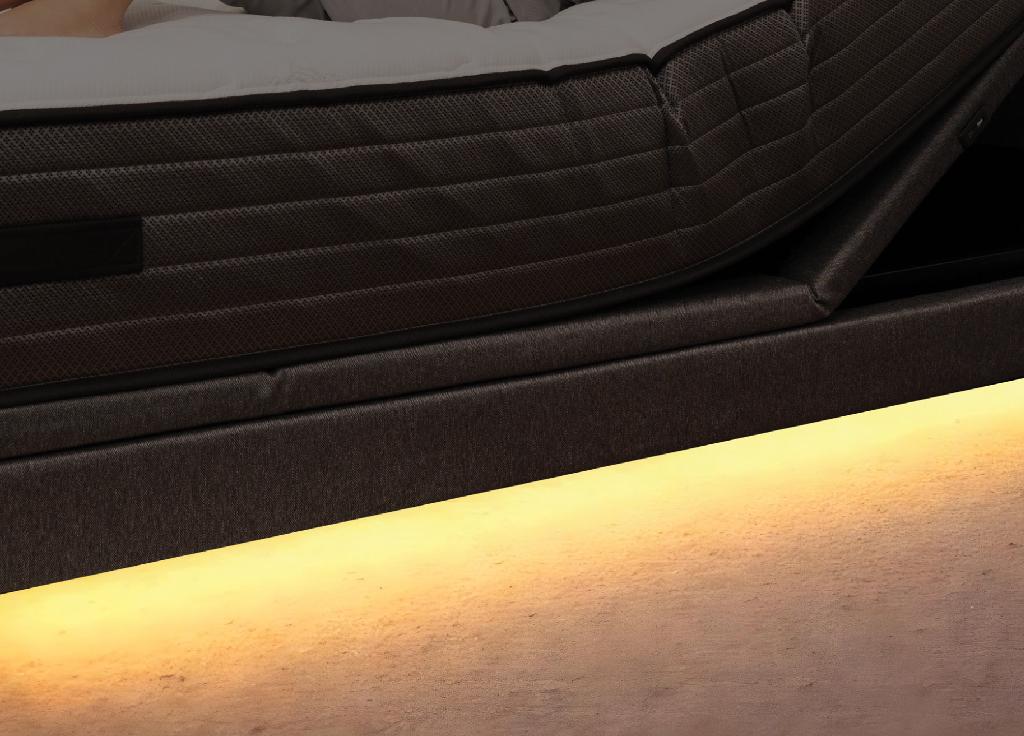
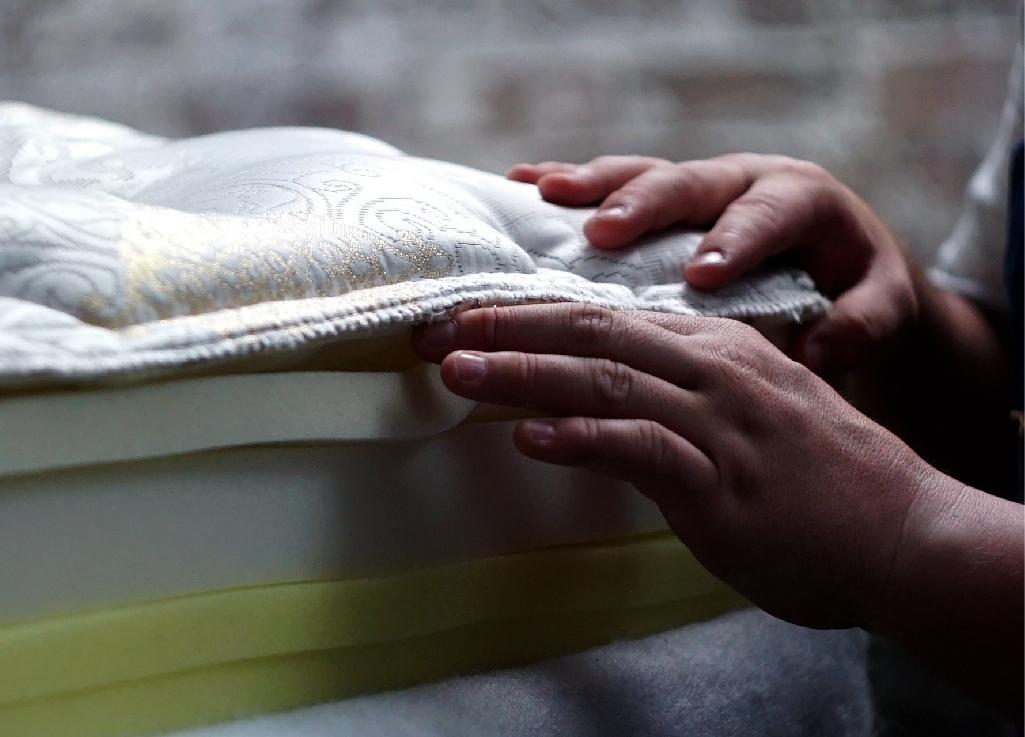
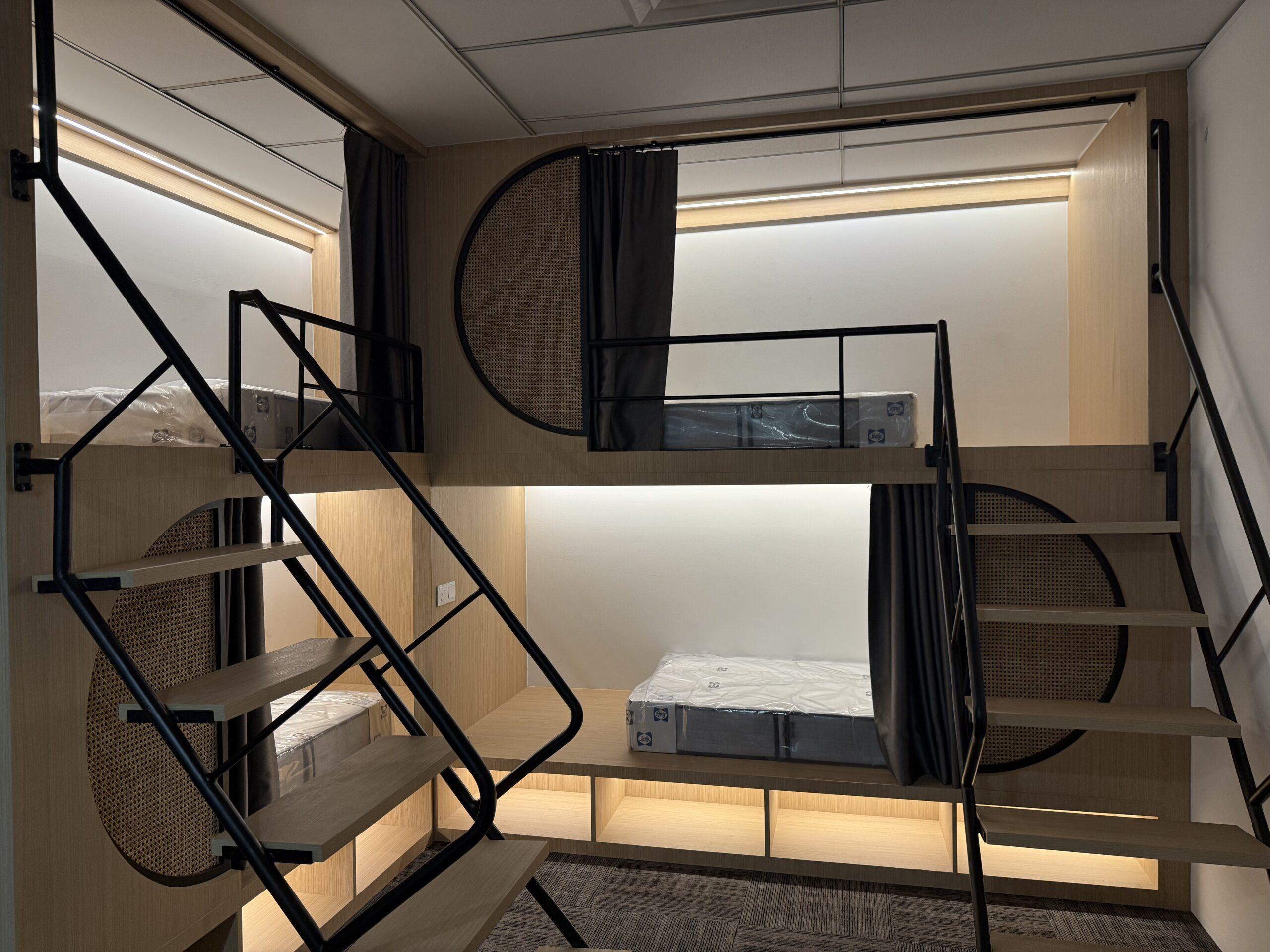
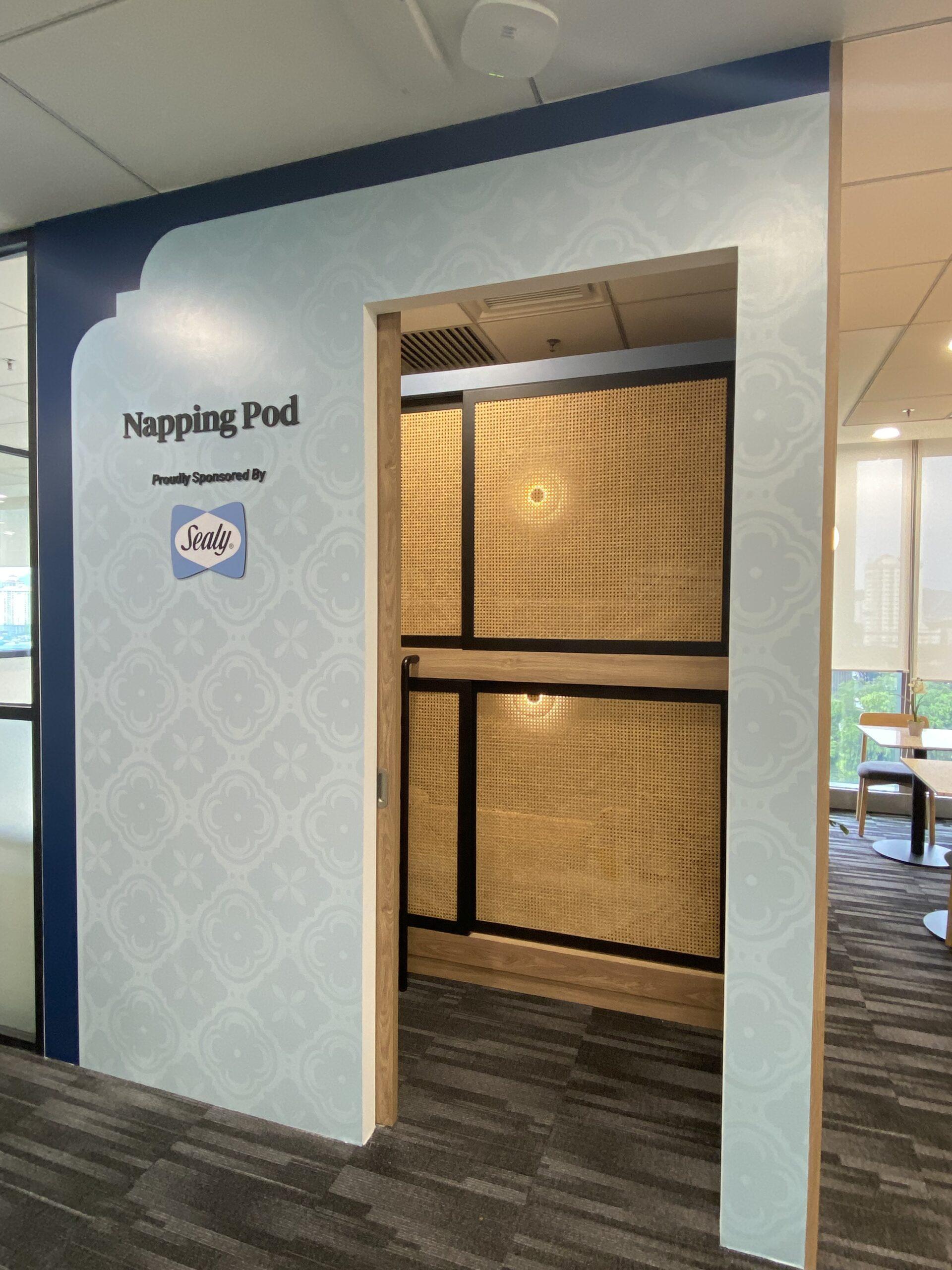
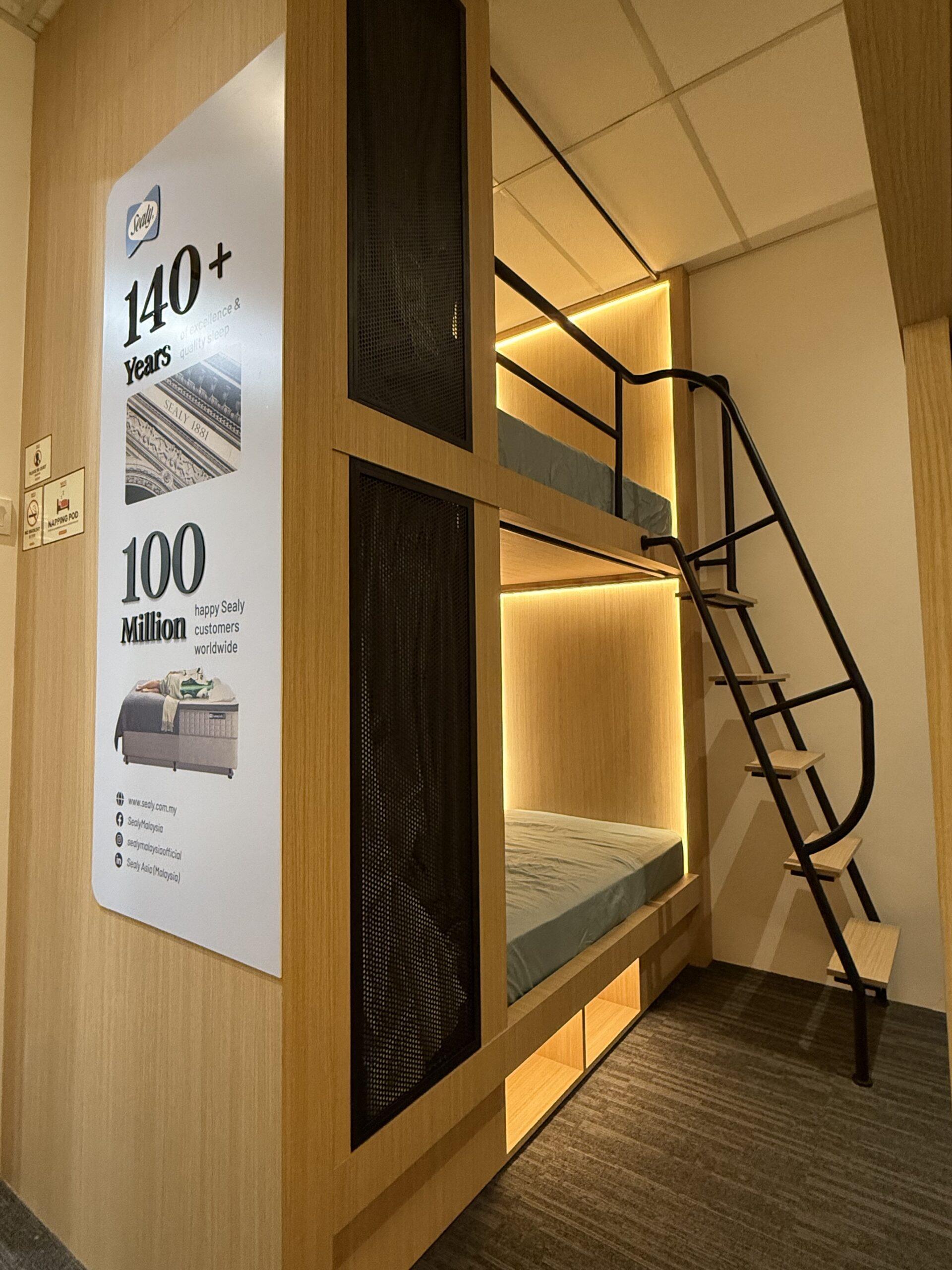
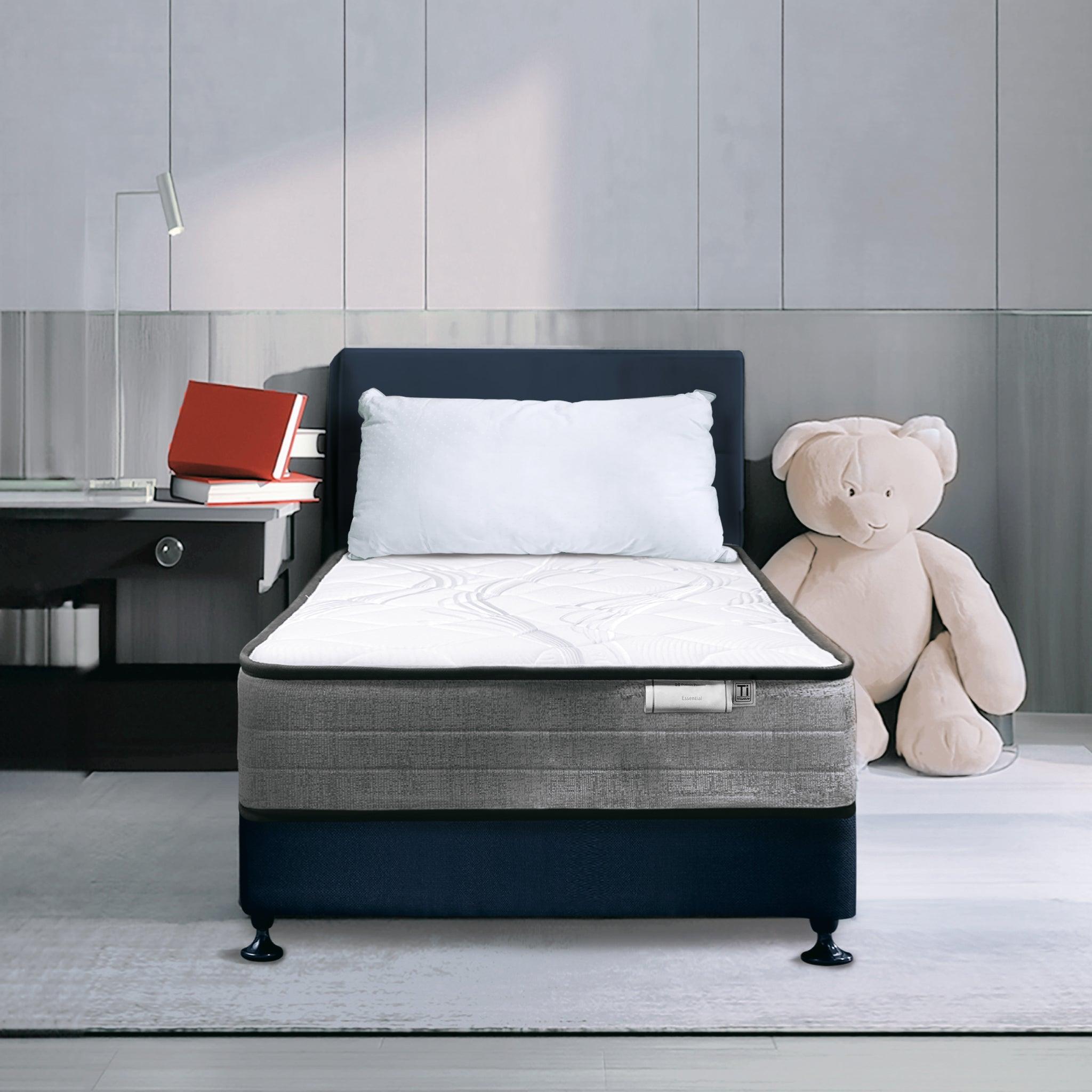
That is the thinking behind the napping pods that Sealy and WORQ have introduced in WORQ coworking spaces. Each pod is fitted with a Sealy PosturePremier Essential mattress, along with soundproofing and soft ambient lighting, giving members a calm, comfortable spot to recharge between meetings or shifts.
Better Sleep at Home Starts With the Right Mattress
Your daytime nap is only half the story. The 7 to 8 hours you spend in bed at home is where real recovery happens, and your mattress plays a bigger role than most people think.
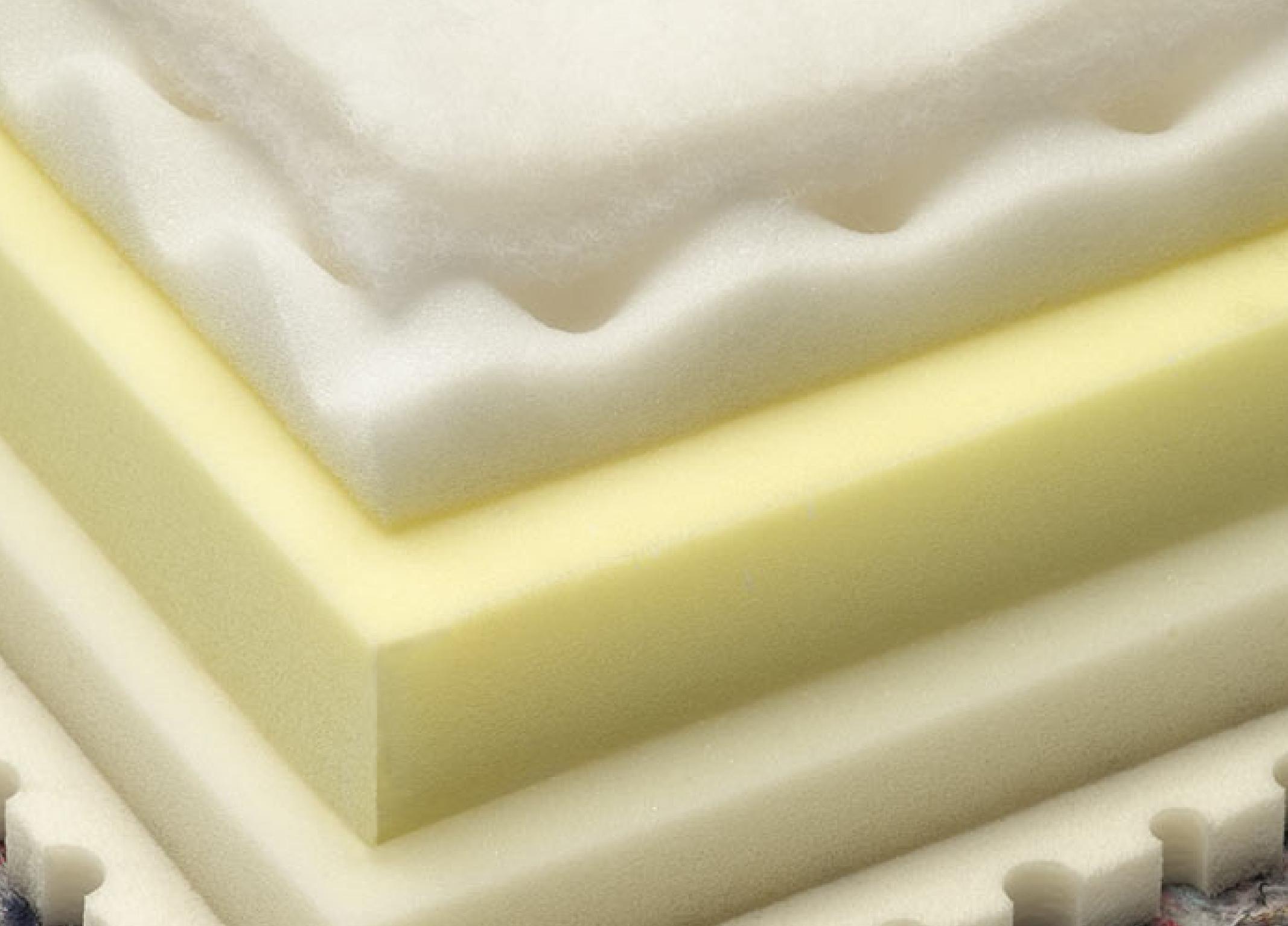
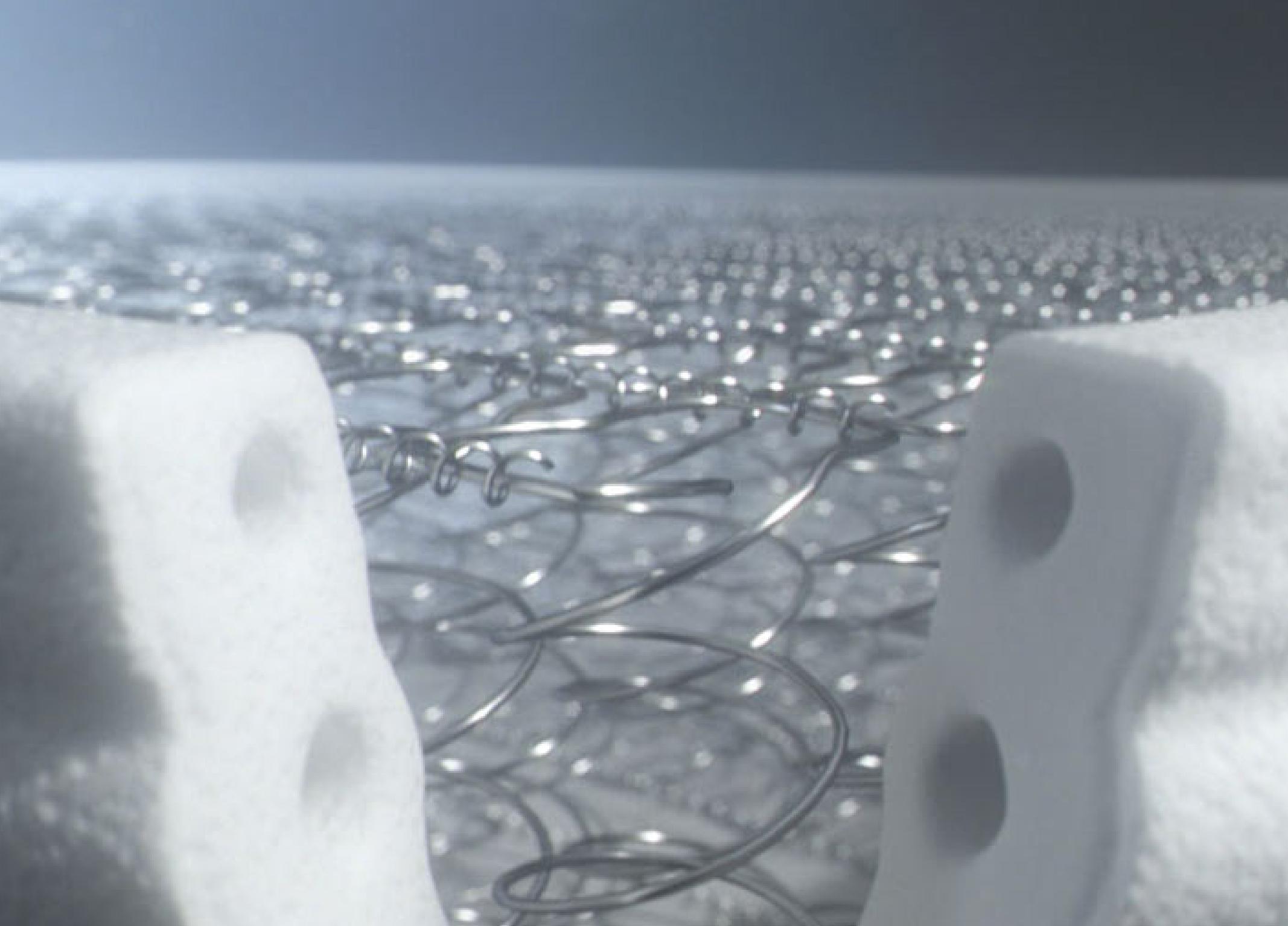
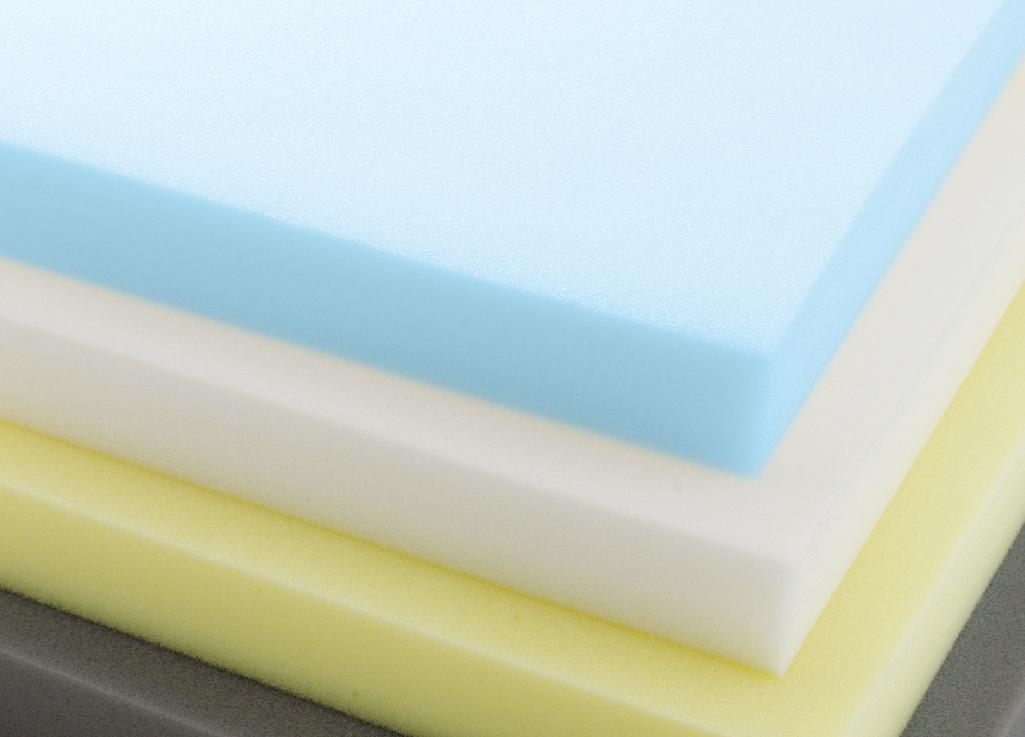
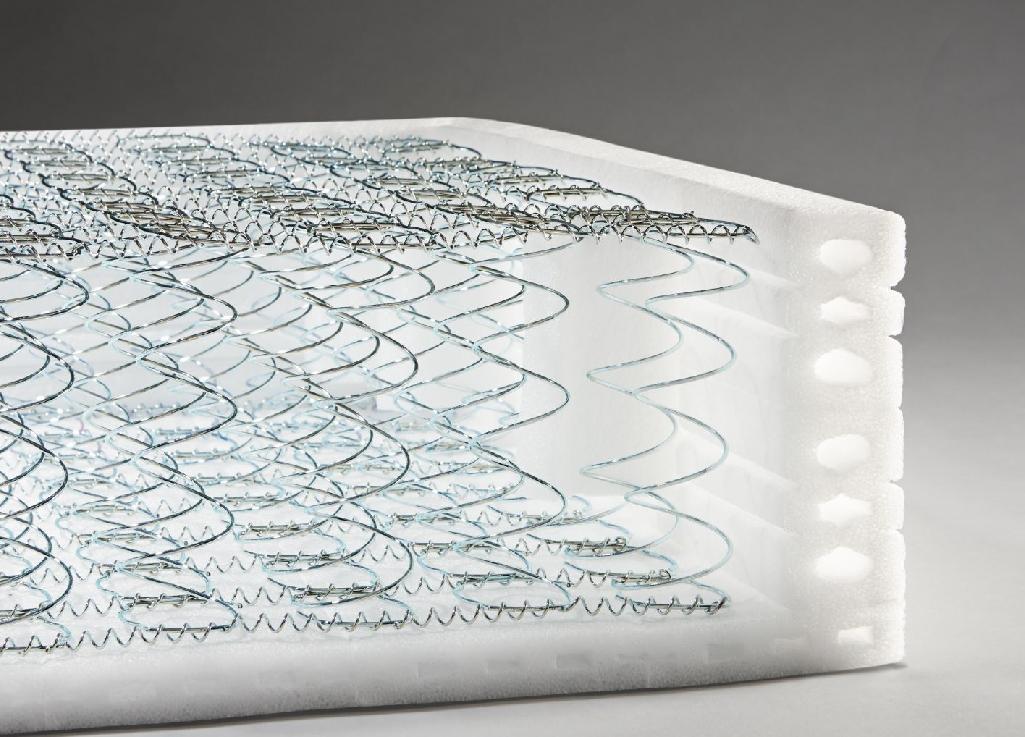
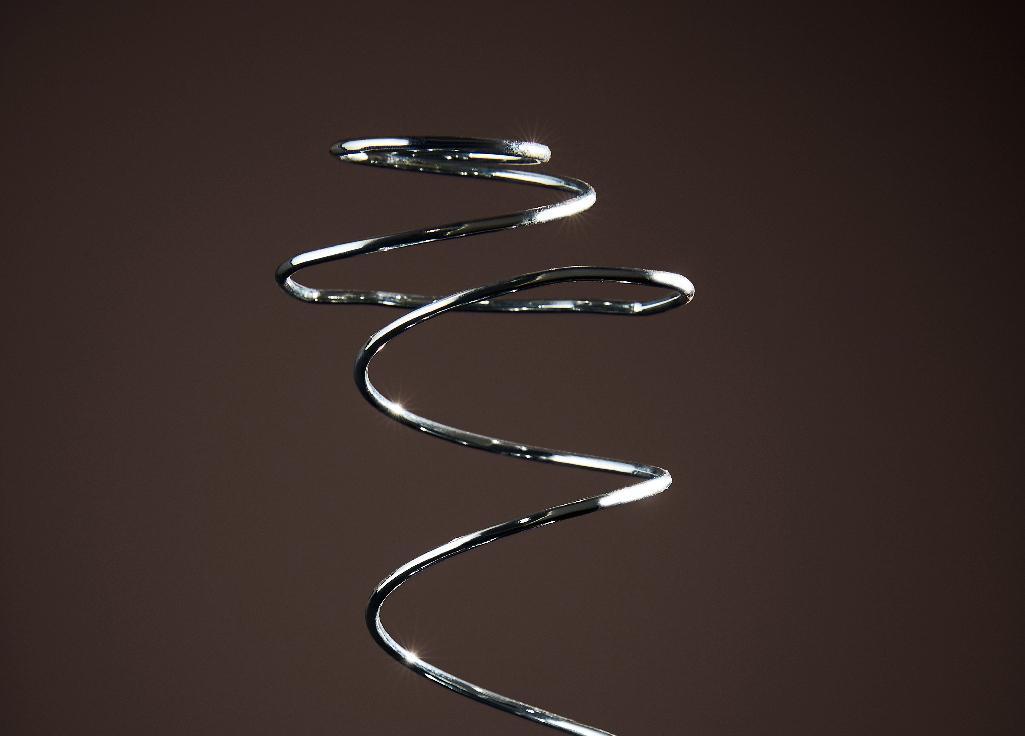
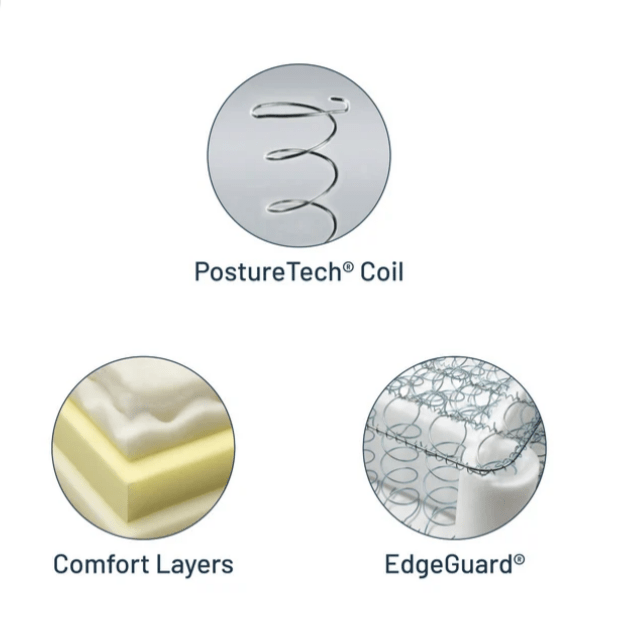
The Sealy PosturePremier range is built for exactly this kind of everyday, restorative support. It uses Sealy’s PostureTech® coil system, which responds to your body’s weight and movement to support your lower back, plus an EdgeGuard® reinforced edge that gives you more usable sleeping space. The result is steady support that helps you rest, recover, recharge and reset, night after night.
Key Notes
- A power nap should last 10 to 20 minutes. Set an alarm and stay under 20.
- Longer naps risk sleep inertia, the grogginess that follows deep sleep.
- The best time to nap is the early-to-mid afternoon, or early in a shift.
- A nap is a top-up, not a replacement for 7 to 8 hours of main sleep.
- Where you nap matters. A quiet, comfortable surface makes all the difference.
Ready to rest, recover and recharge properly? Explore the Sealy PosturePremier range to find everyday support built for real recovery, or visit your nearest Sealy Sleep Boutique to find your nearest showroom.
Frequently Asked Questions
How long should a power nap be?
A power nap should last about 10 to 20 minutes. This keeps you in light sleep, so you wake up alert and refreshed rather than groggy. Napping longer than 20 to 30 minutes increases the risk of sleep inertia, the sluggish feeling that comes from waking during deeper sleep.
Is a 20-minute nap better than a 30-minute nap?
For a quick daytime boost, a 20-minute nap is usually better. It refreshes you without letting you fall into deep sleep. A 30-minute nap can tip you into deeper sleep, making it harder to wake up and more likely you will feel groggy for a while afterwards.
Can a power nap replace a full night’s sleep?
No. A power nap is a top-up, not a substitute. It can sharpen your focus and energy for a few hours, but your body still needs 7 to 8 hours of main sleep to recover fully. Naps work best alongside a healthy sleep routine, not instead of one.
Which WORQ locations have napping pods?
The napping pods are provided at
- WORQ Wellness KL Eco City
- WORQ Menara Shell
- WORQ One Centrum
- WORQ Bangsar
- WORQ 1 Utama
- WORQ Intermark KL
- WORQ Sunway Velocity
- WORQ KL Gateway Mall
- WORQ TTDI